Advanced Treatment for Spinal Curvature and Postural Disorders at AMOT Hospital
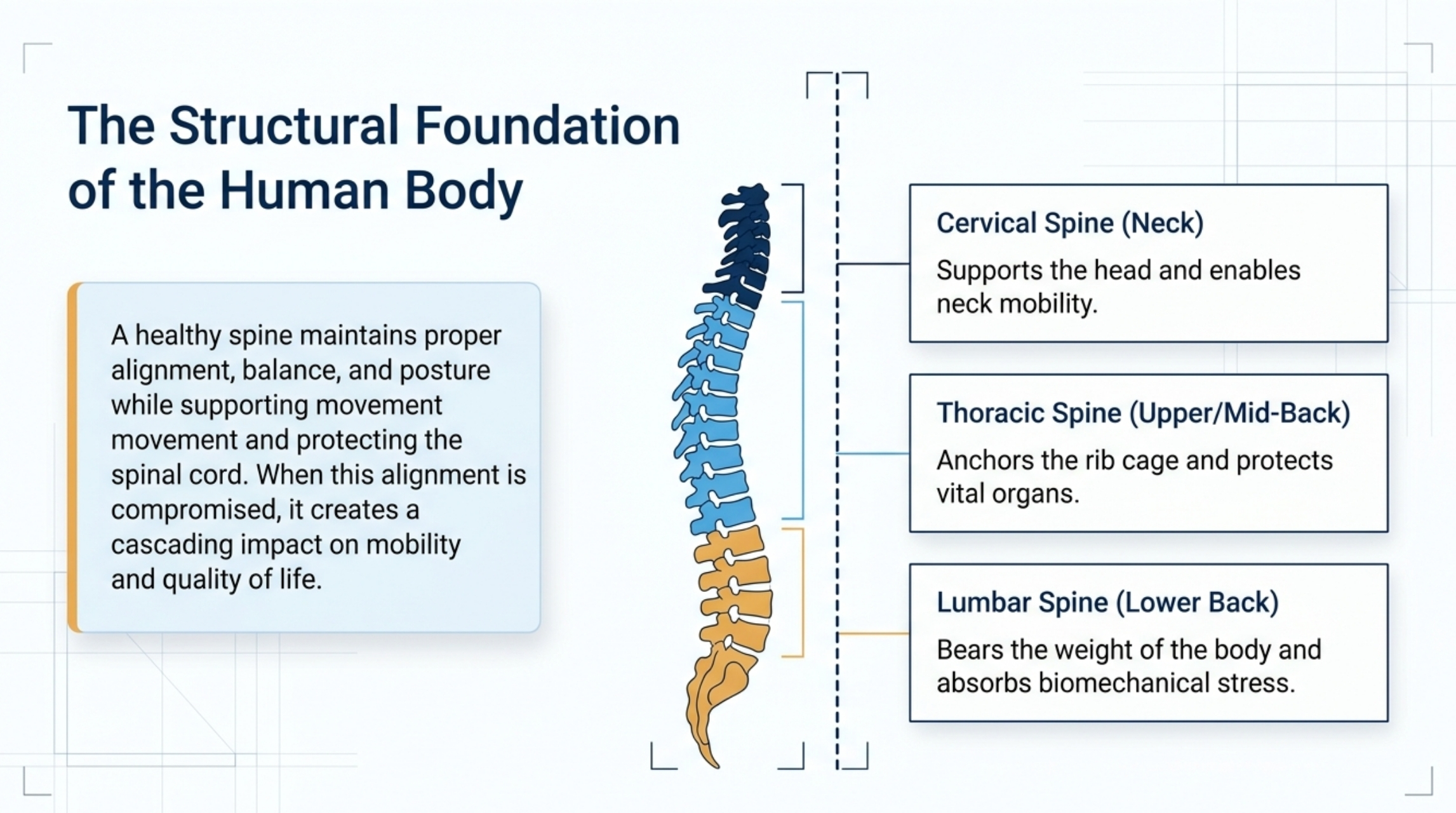
A healthy spine maintains proper alignment, balance, and posture while supporting the body’s movement and protecting the spinal cord. However, certain conditions can cause abnormal curvature or misalignment of the spine, leading to pain, posture problems, reduced mobility, neurological symptoms, and decreased quality of life.
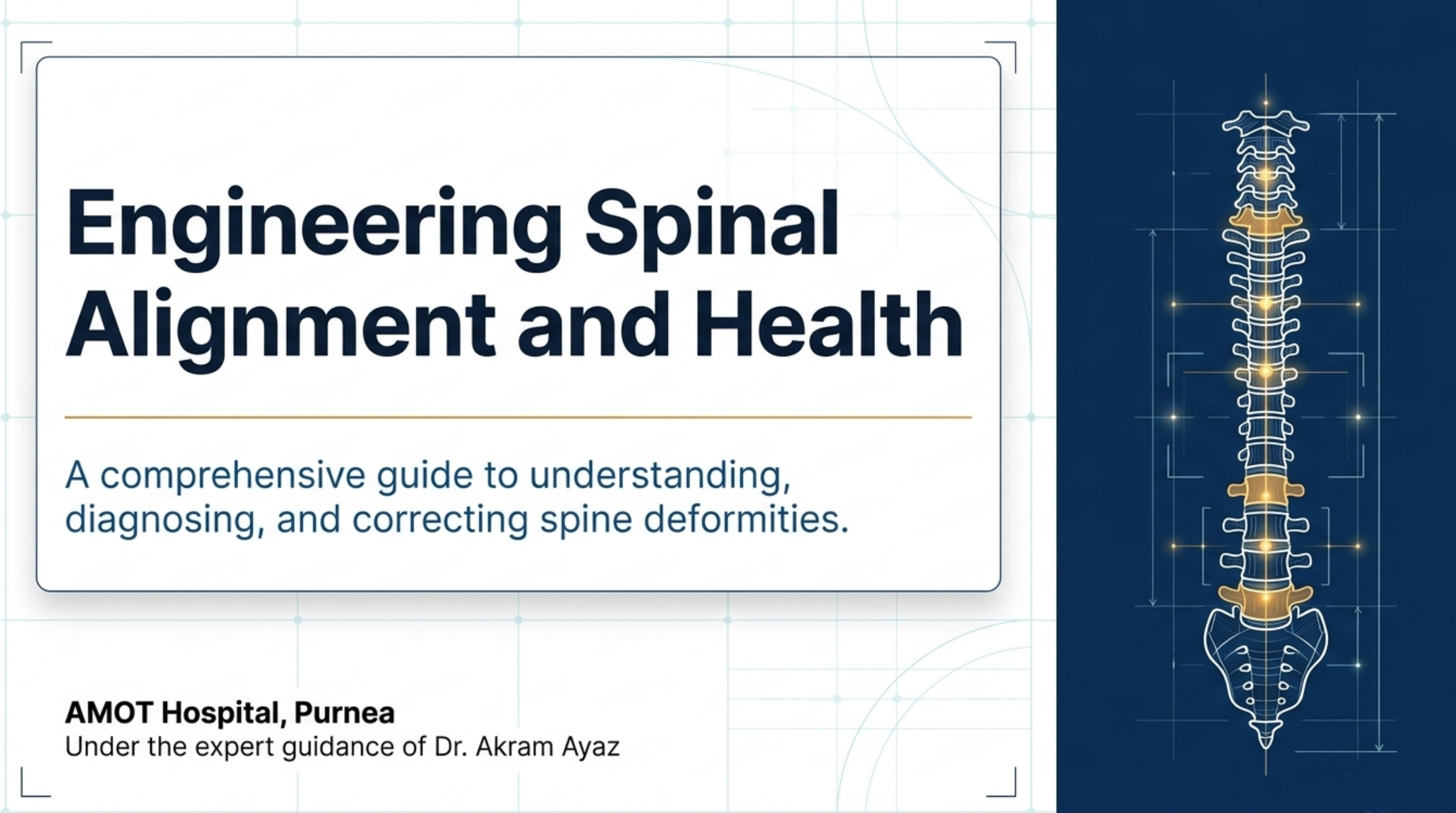
At AMOT Hospital, Purnea, we provide comprehensive evaluation and advanced treatment for Spine Deformities affecting children, adolescents, adults, and elderly patients. Under the expert guidance of Dr. Akram Ayaz, Orthopaedic and Spine Surgeon, patients receive personalized care aimed at correcting spinal alignment, relieving pain, improving function, and preventing further progression of the deformity.
From conservative management and rehabilitation to advanced surgical correction, our goal is to help patients achieve better posture, improved mobility, and enhanced overall well-being.
What is a Spine Deformity?
A spine deformity refers to an abnormal curvature, alignment, or structural imbalance of the spinal column. These conditions may be present from birth, develop during growth, result from aging, trauma, infection, or degeneration of the spine.
Spinal deformities can affect:
Cervical Spine (Neck)
Thoracic Spine (Upper and Mid-Back)
Lumbar Spine (Lower Back)
While some deformities remain mild, others can progressively worsen and lead to chronic pain, nerve compression, breathing difficulties, functional limitations, and cosmetic concerns.
Common Types of Spine Deformities
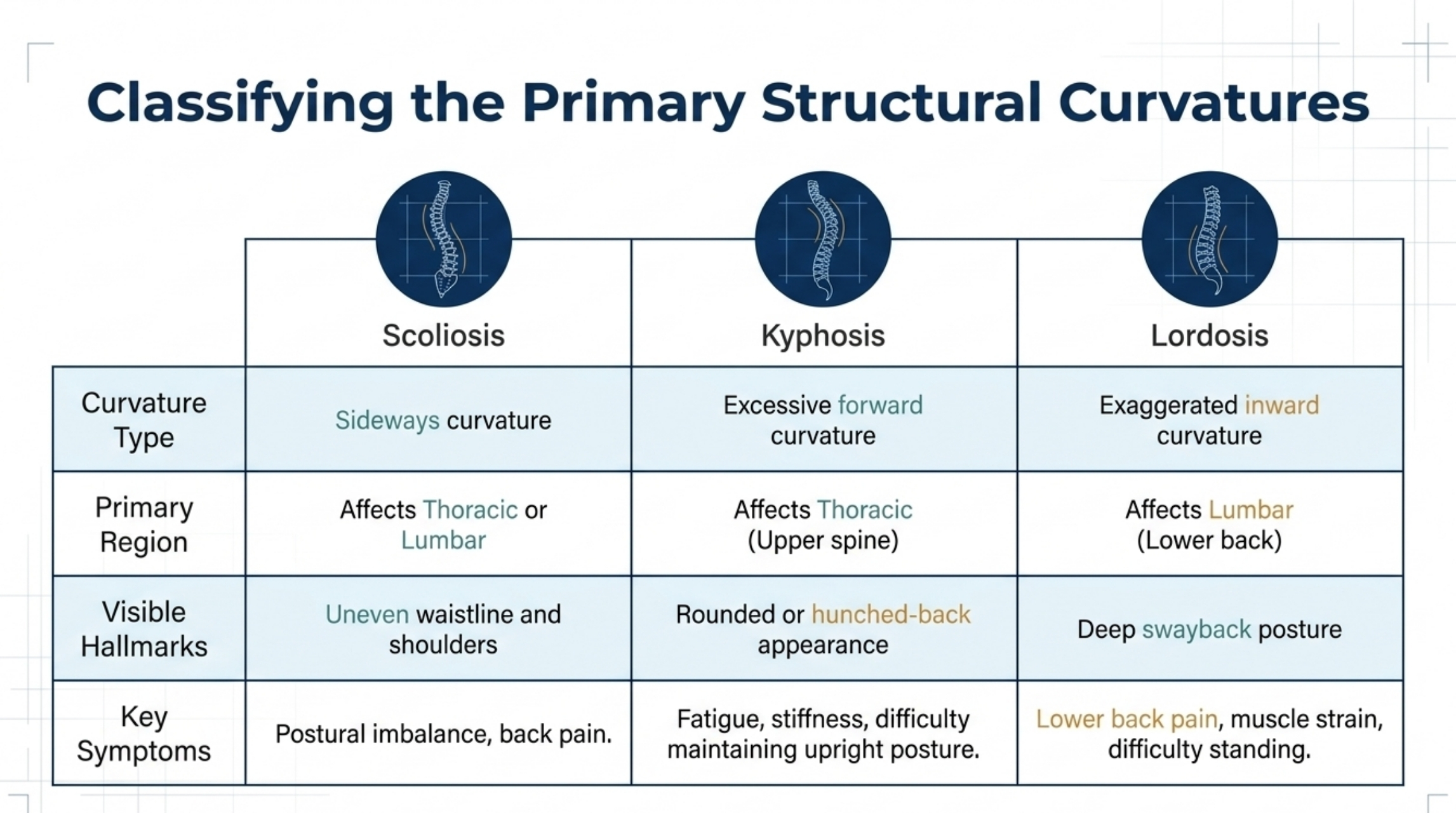
Scoliosis
Scoliosis is an abnormal sideways curvature of the spine that may develop during childhood, adolescence, or adulthood.
The condition can vary from mild curves requiring observation to severe deformities requiring surgical correction.
Common symptoms include:
Uneven shoulders
Uneven waistline
One hip appearing higher than the other
Visible spinal curvature
Back pain
Postural imbalance
Kyphosis
Kyphosis refers to excessive forward curvature of the upper spine, creating a rounded or hunched-back appearance.
Common causes include:
Poor posture
Congenital abnormalities
Osteoporosis
Degenerative spinal disorders
Compression fractures
Symptoms may include:
Rounded upper back
Back pain
Fatigue
Stiffness
Difficulty maintaining an upright posture
Lordosis
Lordosis is an exaggerated inward curvature of the lower back.
Excessive lordosis may lead to:
Lower back pain
Muscle strain
Postural imbalance
Difficulty standing for long periods
Degenerative Spinal Deformity
Age-related wear and tear can gradually alter spinal alignment.
Common causes include:
Disc degeneration
Arthritis
Osteoporosis
Vertebral collapse
Chronic spinal instability
These conditions often affect elderly patients and may cause significant pain and mobility limitations.
Post-Traumatic Spine Deformity
Spinal fractures and traumatic injuries may heal improperly, leading to deformity and imbalance.
Patients may develop:
Chronic pain
Reduced mobility
Neurological symptoms
Progressive spinal misalignment
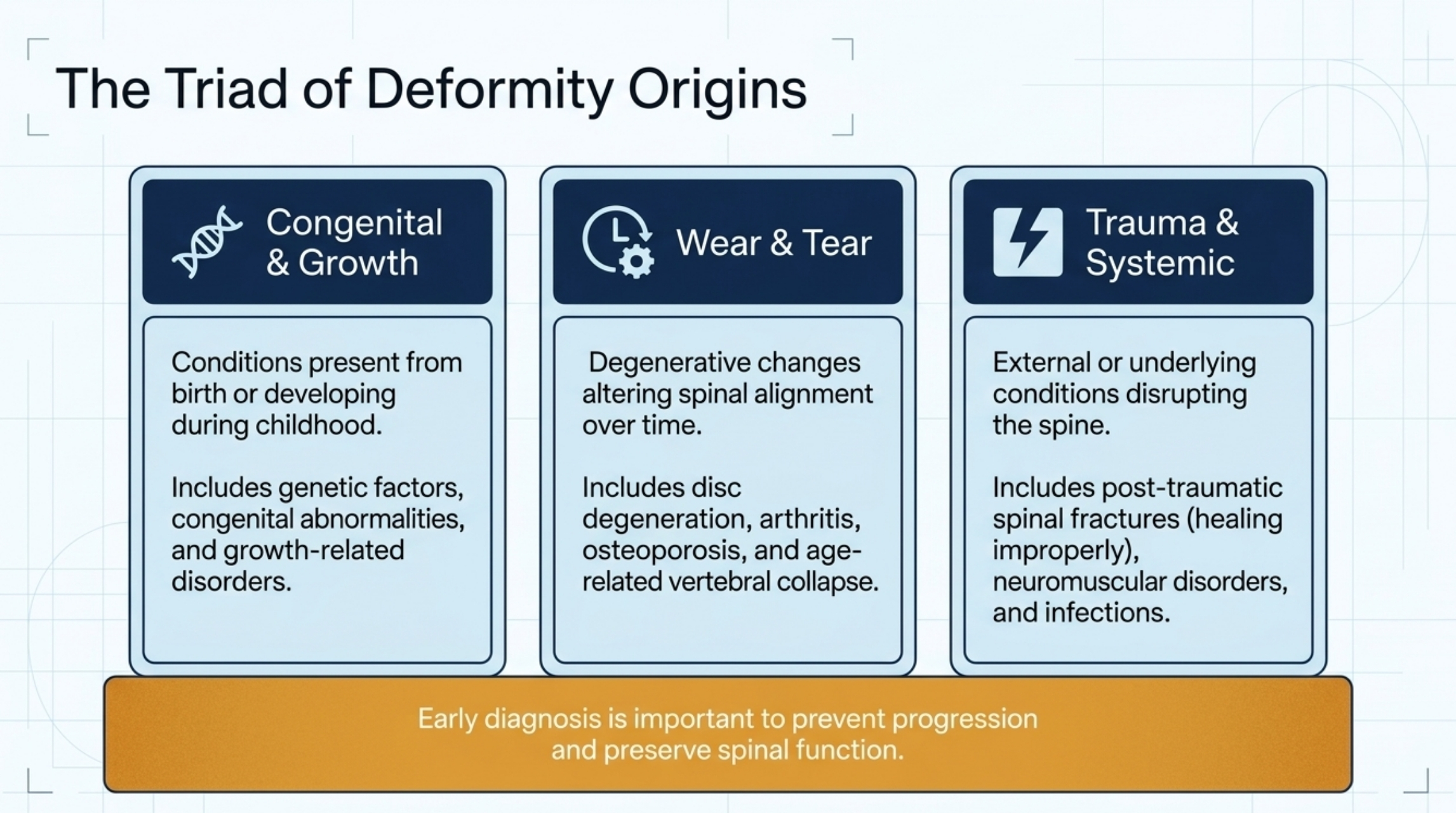
Causes of Spine Deformities
Spinal deformities may result from:
Congenital abnormalities
Genetic factors
Growth-related disorders
Degenerative spine disease
Osteoporosis
Vertebral fractures
Spinal trauma
Neuromuscular disorders
Infections
Poor posture
Early diagnosis is important to prevent progression and preserve spinal function.
Symptoms of Spine Deformities
Symptoms vary depending on the severity and location of the deformity.
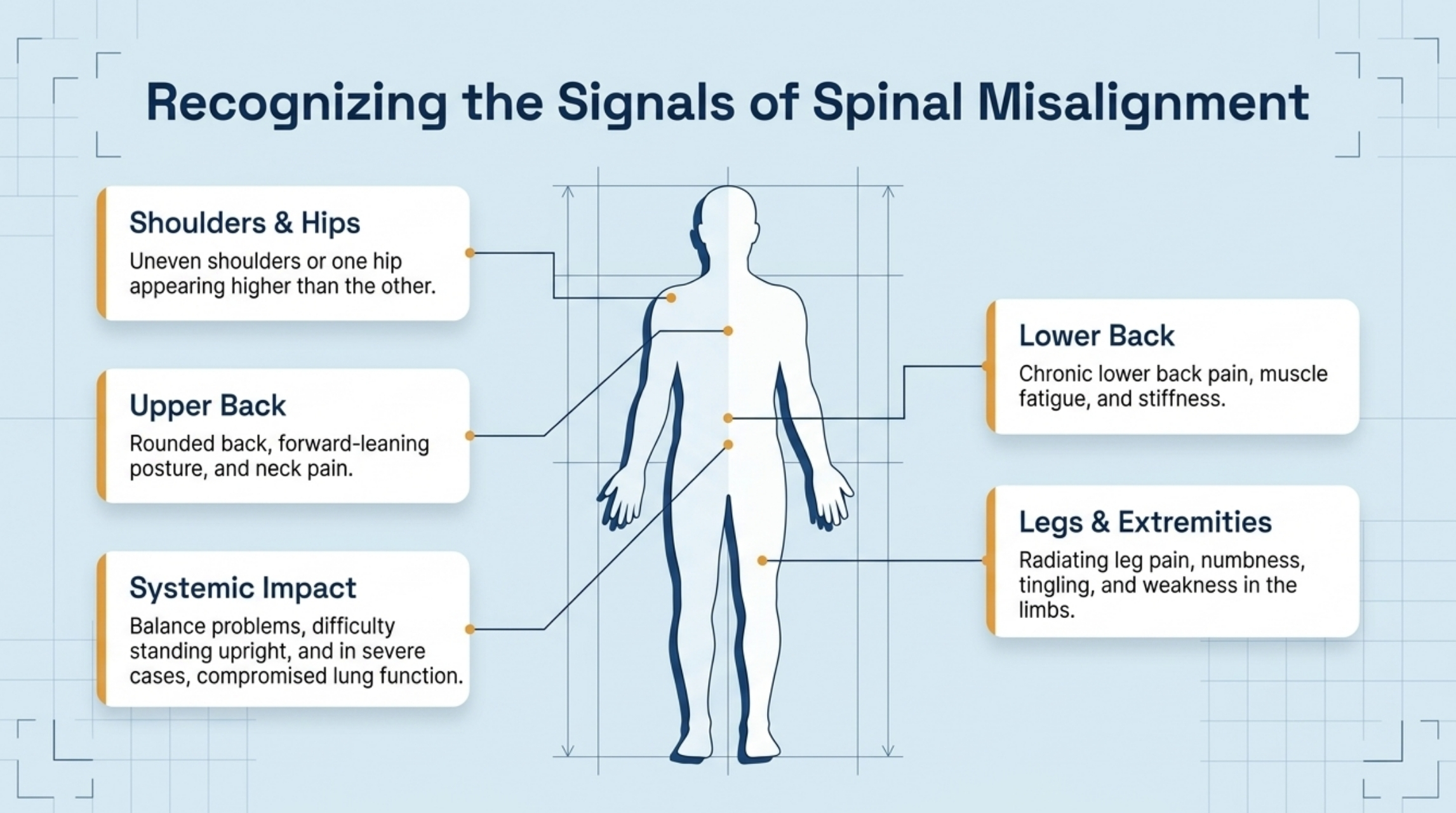
Common signs include:
Visible spinal curvature
Uneven shoulders
Uneven hips
Rounded back
Forward-leaning posture
Neck pain
Back pain
Lower back pain
Muscle fatigue
Reduced flexibility
Difficulty standing upright
Balance problems
Numbness or tingling
Leg pain
Weakness in the limbs
Severe deformities may affect lung function, walking ability, and overall quality of life.
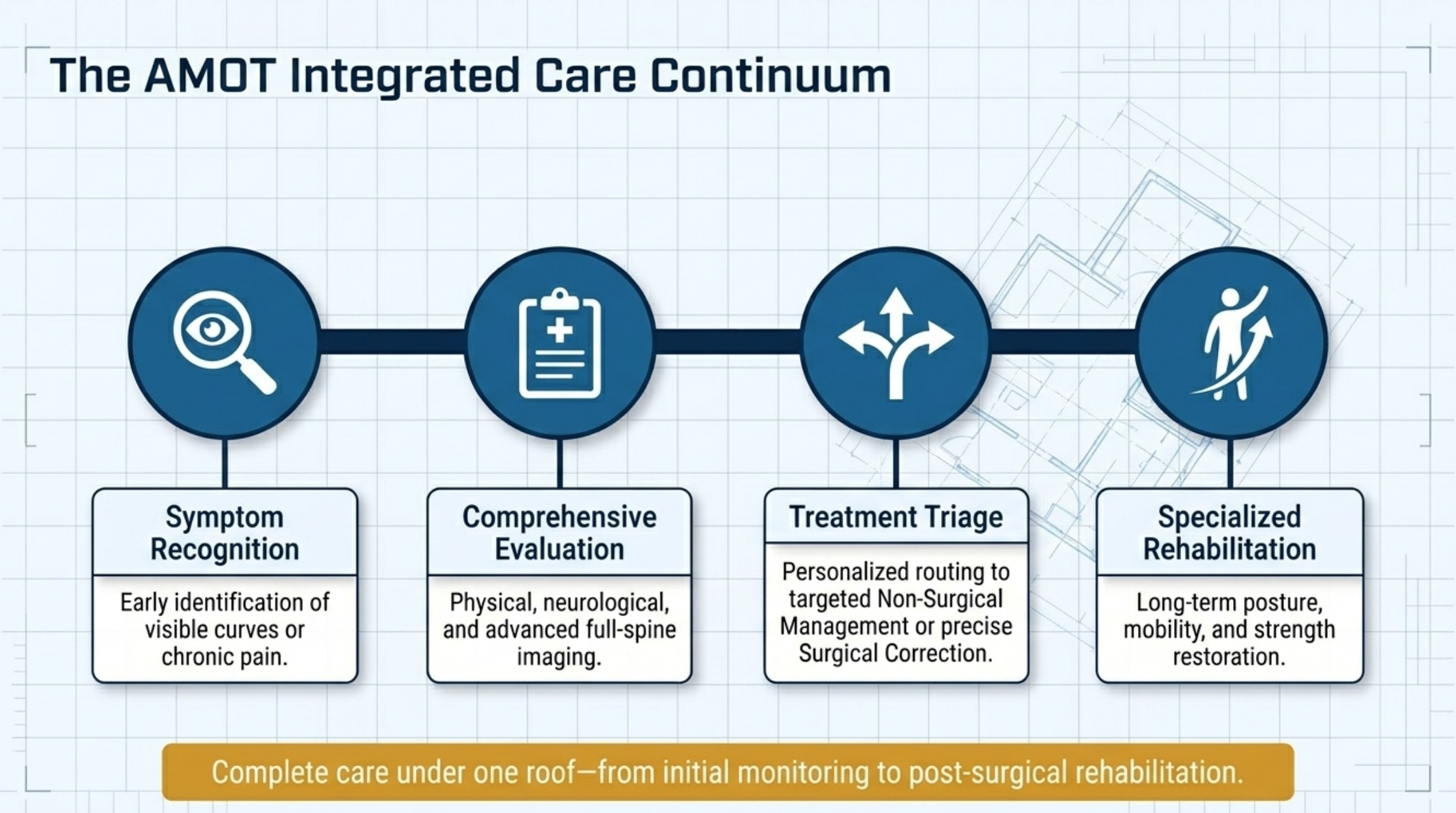
Comprehensive Spine Deformity Evaluation
Accurate assessment is essential for successful treatment.
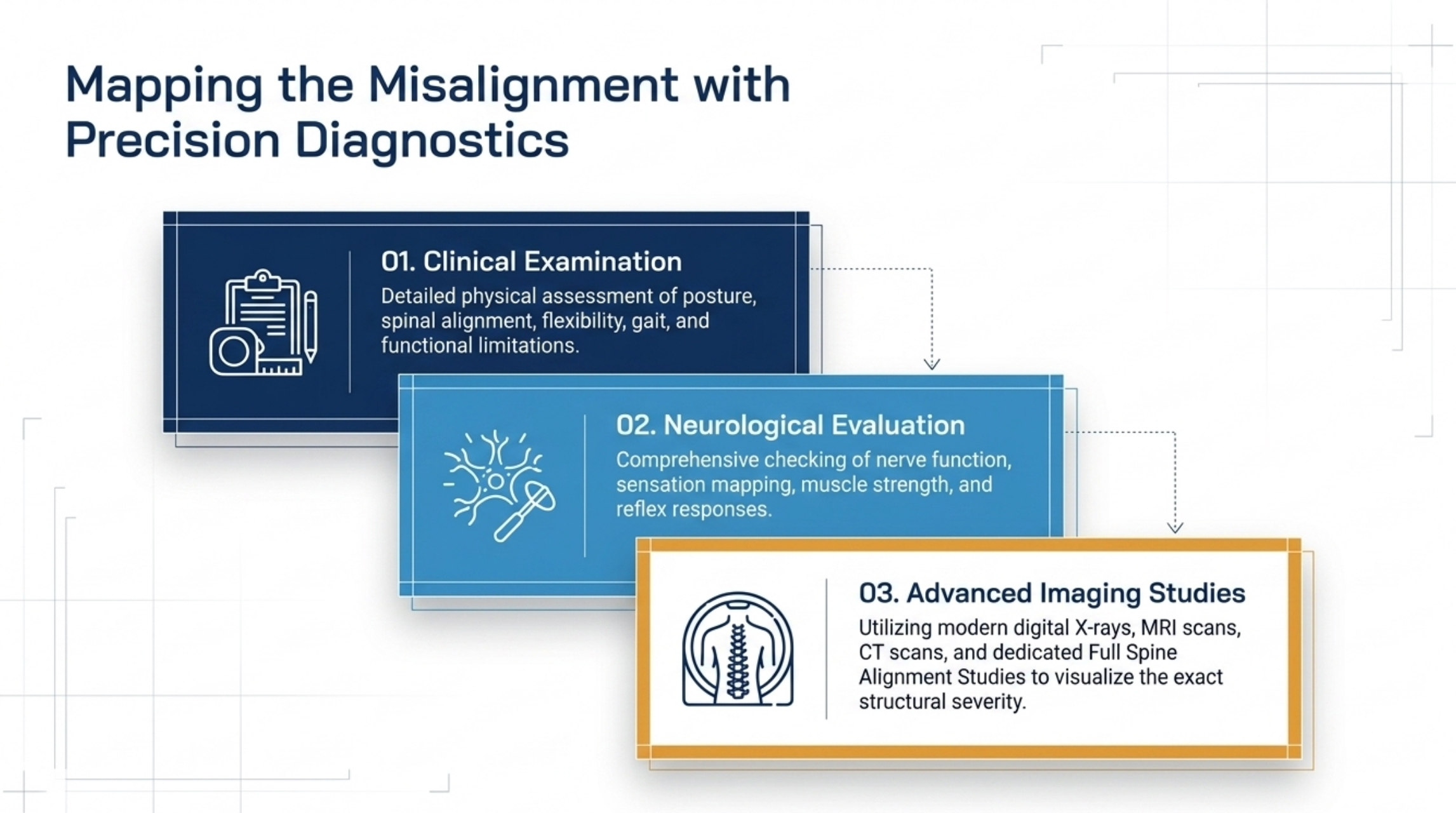
At AMOT Hospital, evaluation may include:
Detailed Clinical Examination
Assessment of posture, spinal alignment, flexibility, gait, and functional limitations.
Neurological Evaluation
Examination of nerve function, sensation, muscle strength, and reflexes.
Advanced Imaging Studies
Digital X-rays
MRI Scans
CT Scans
Full Spine Alignment Studies
These investigations help determine the type, severity, and progression of the deformity.
Non-Surgical Spine Deformity Treatment
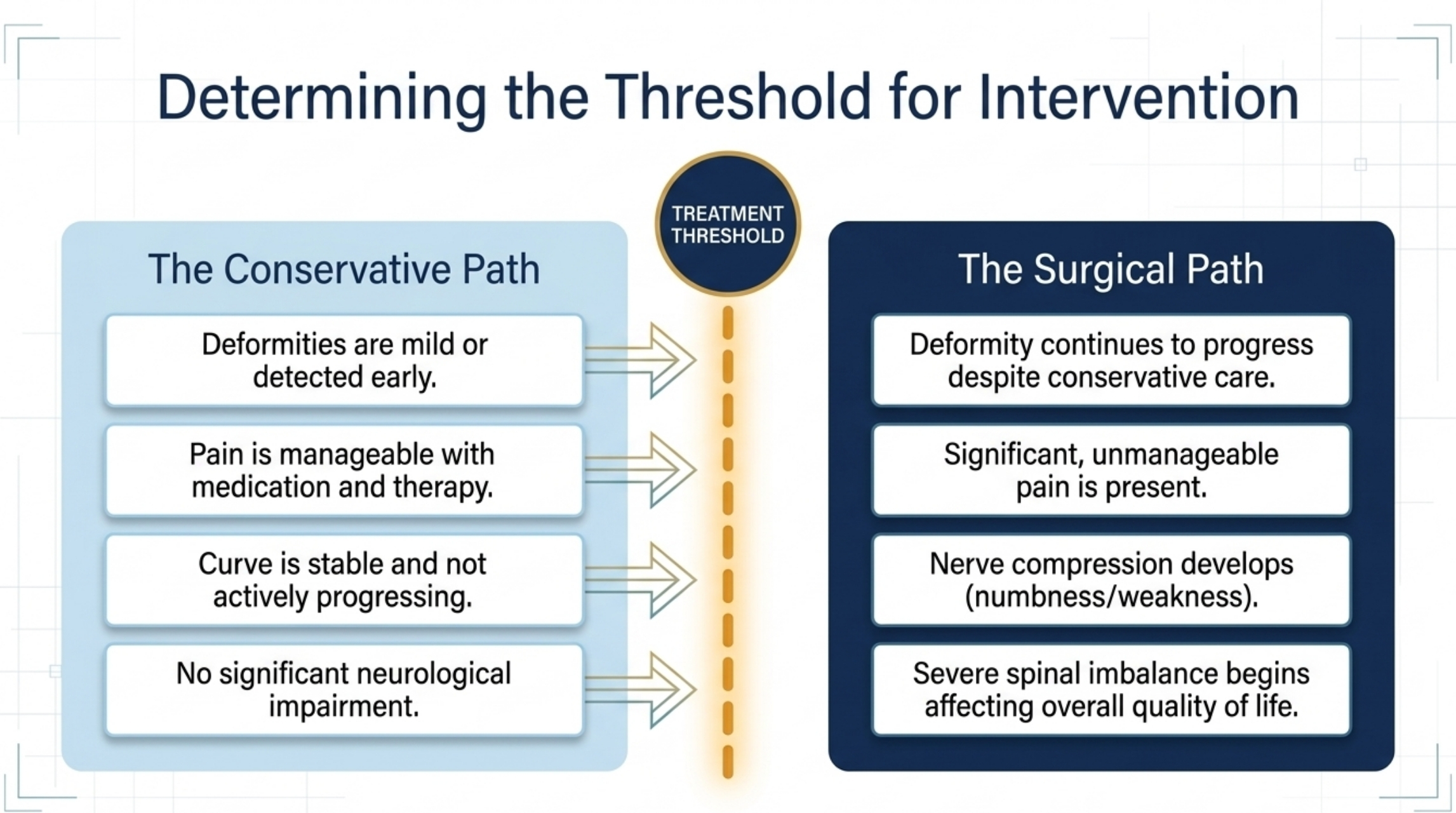
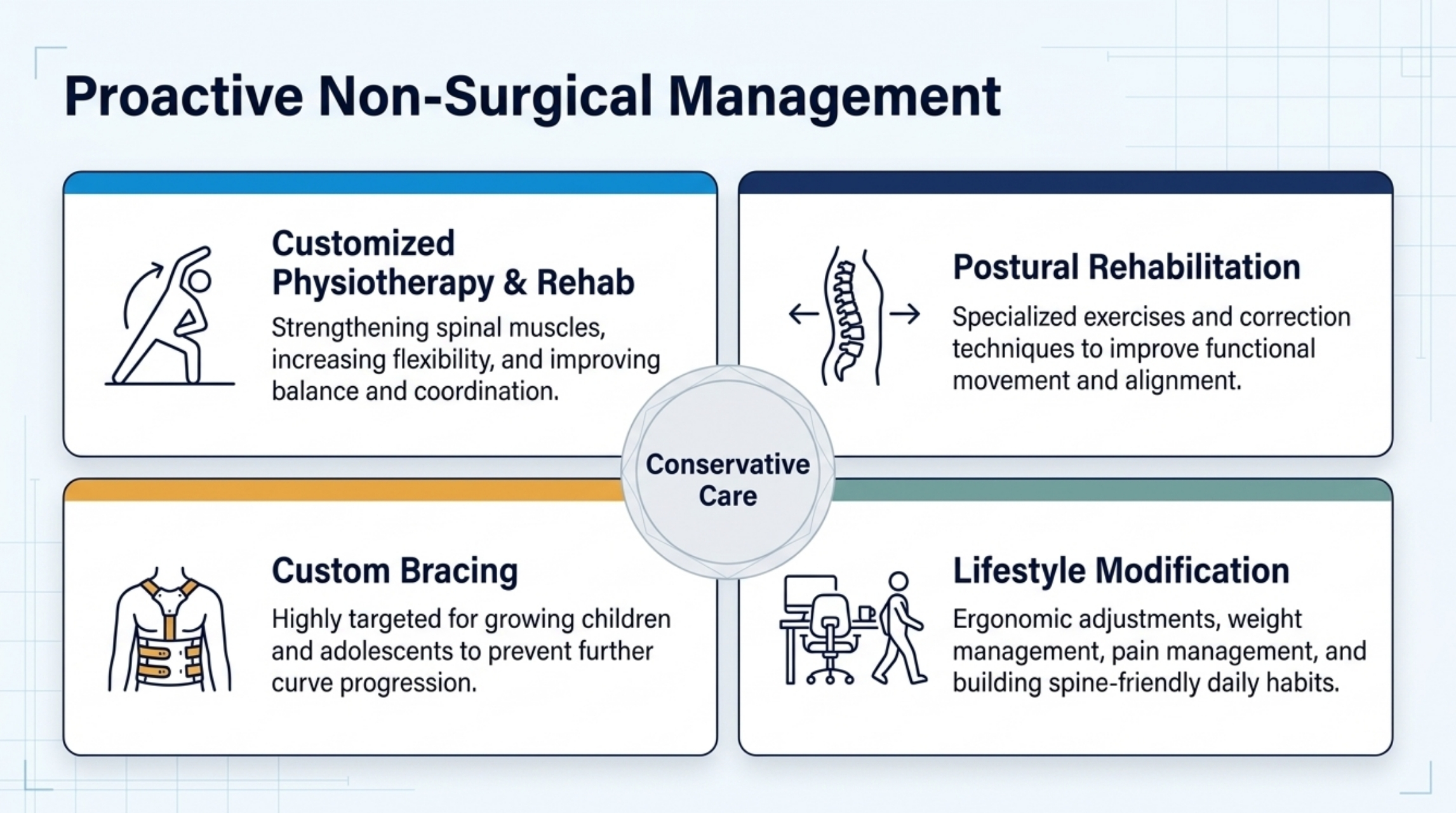
Many patients can benefit from conservative treatment approaches, especially when deformities are mild or detected early.
Physiotherapy
Customized physiotherapy programs help:
Improve posture
Strengthen spinal muscles
Increase flexibility
Reduce pain
Improve balance and coordination
Postural Rehabilitation
Specialized exercises and posture correction techniques help improve spinal alignment and functional movement.
Pain Management
Conservative therapies may help control symptoms and improve comfort.
Lifestyle Modification
Patients receive guidance regarding:
Ergonomic adjustments
Physical activity
Weight management
Spine-friendly habits
Bracing
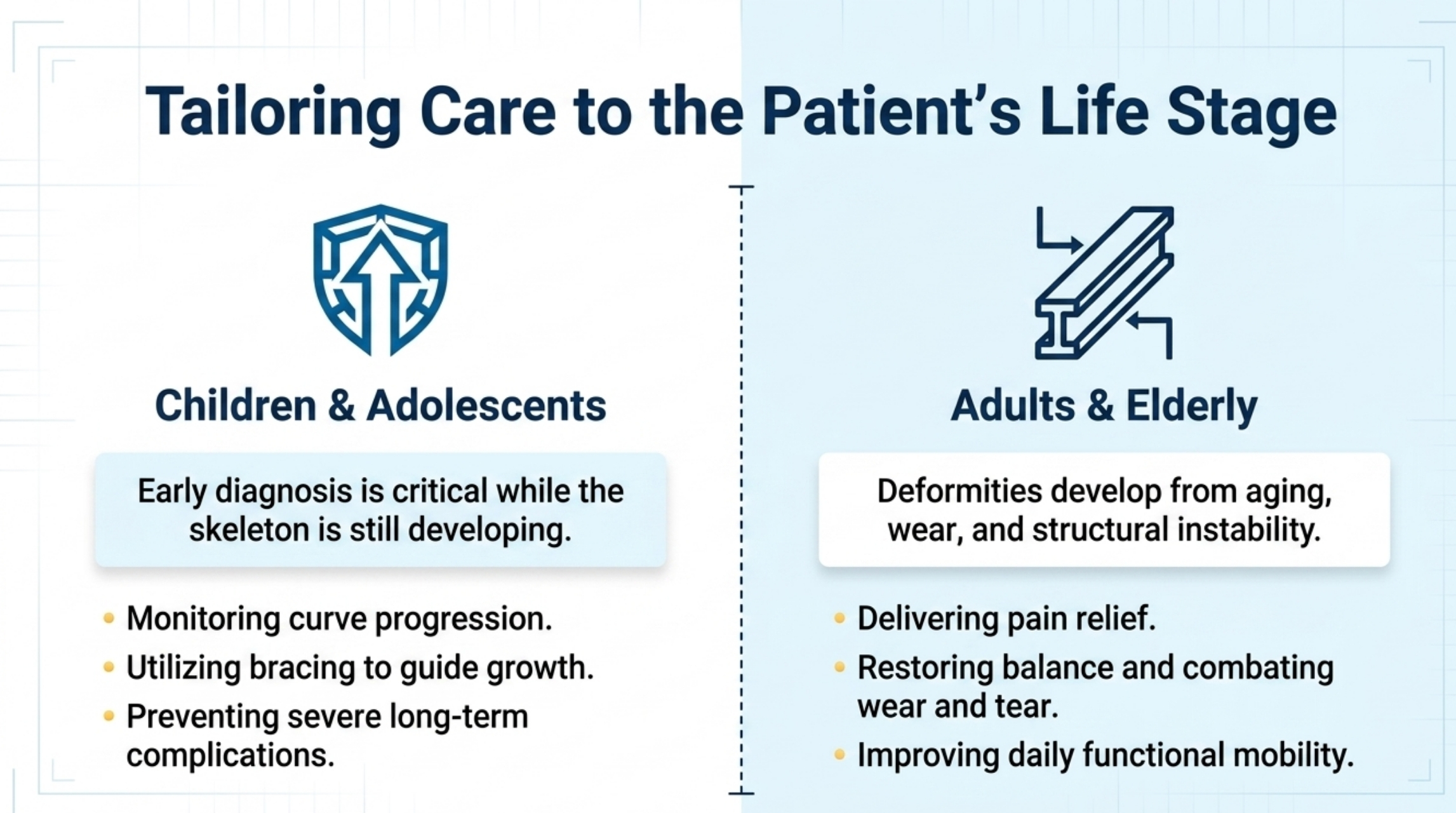
In selected cases, spinal braces may be recommended to prevent progression, particularly in growing children and adolescents.
Surgical Spine Deformity Correction
Surgery may be recommended when:
The deformity continues to progress
Significant pain is present
Nerve compression develops
Conservative treatment fails
Functional limitations increase
Severe spinal imbalance affects quality of life
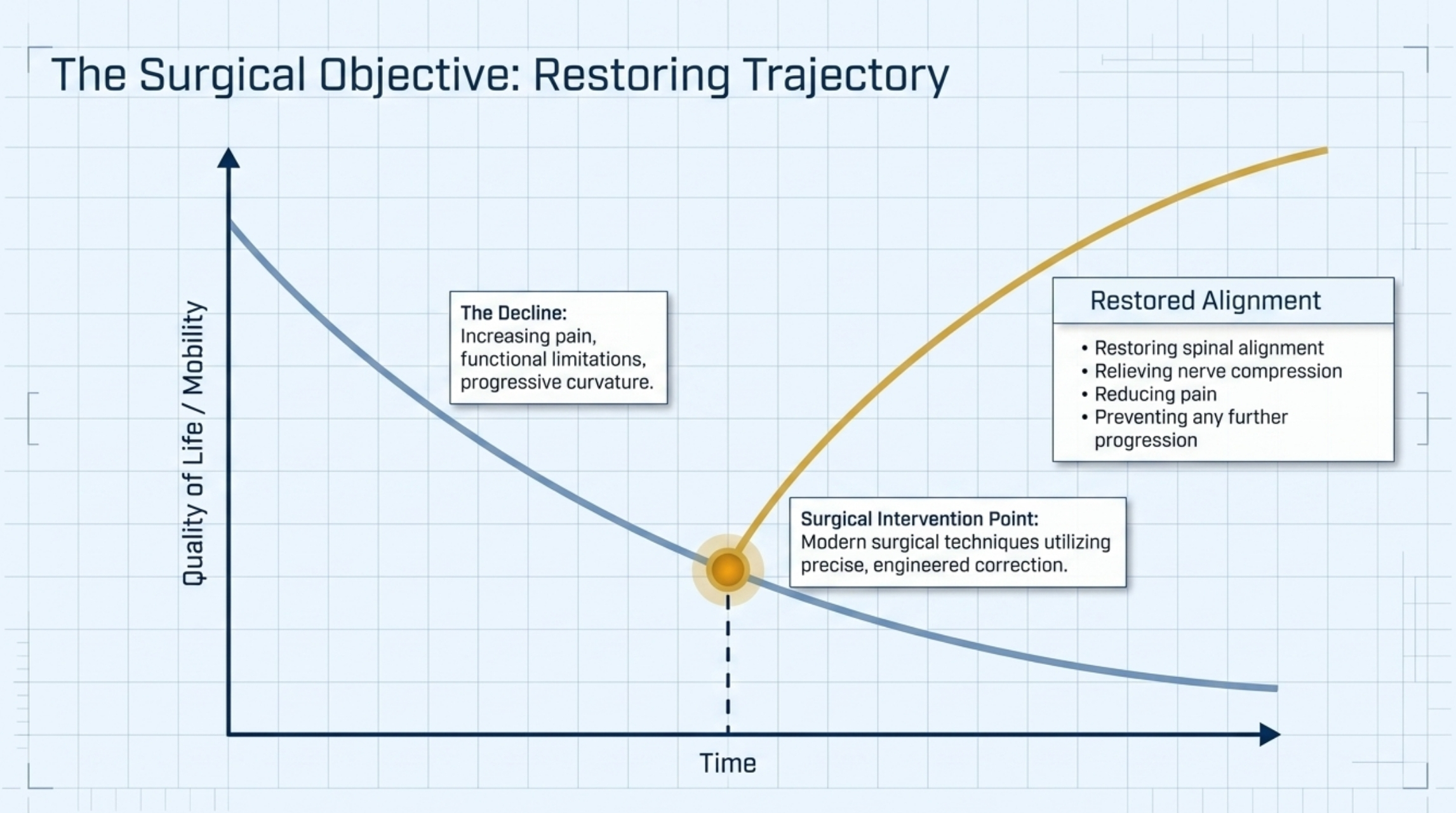
The objectives of surgical correction include:
Restoring spinal alignment
Correcting abnormal curvature
Relieving nerve compression
Improving posture
Reducing pain
Preventing further progression
Modern surgical techniques allow precise correction while maximizing safety and long-term outcomes.
Spine Deformity Correction for Adults
Adult spinal deformities often develop due to degenerative changes and aging.
Treatment focuses on:
Pain relief
Functional improvement
Balance restoration
Prevention of progression
Individualized treatment plans are developed according to the patient’s age, health status, and lifestyle requirements.
Spine Deformity Correction for Children and Adolescents
Early diagnosis plays a critical role in managing spinal deformities in young patients.
Regular monitoring helps determine:
Curve progression
Growth-related changes
Need for bracing
Need for surgical intervention
Timely treatment often prevents severe deformities and long-term complications.
Rehabilitation After Spine Deformity Correction
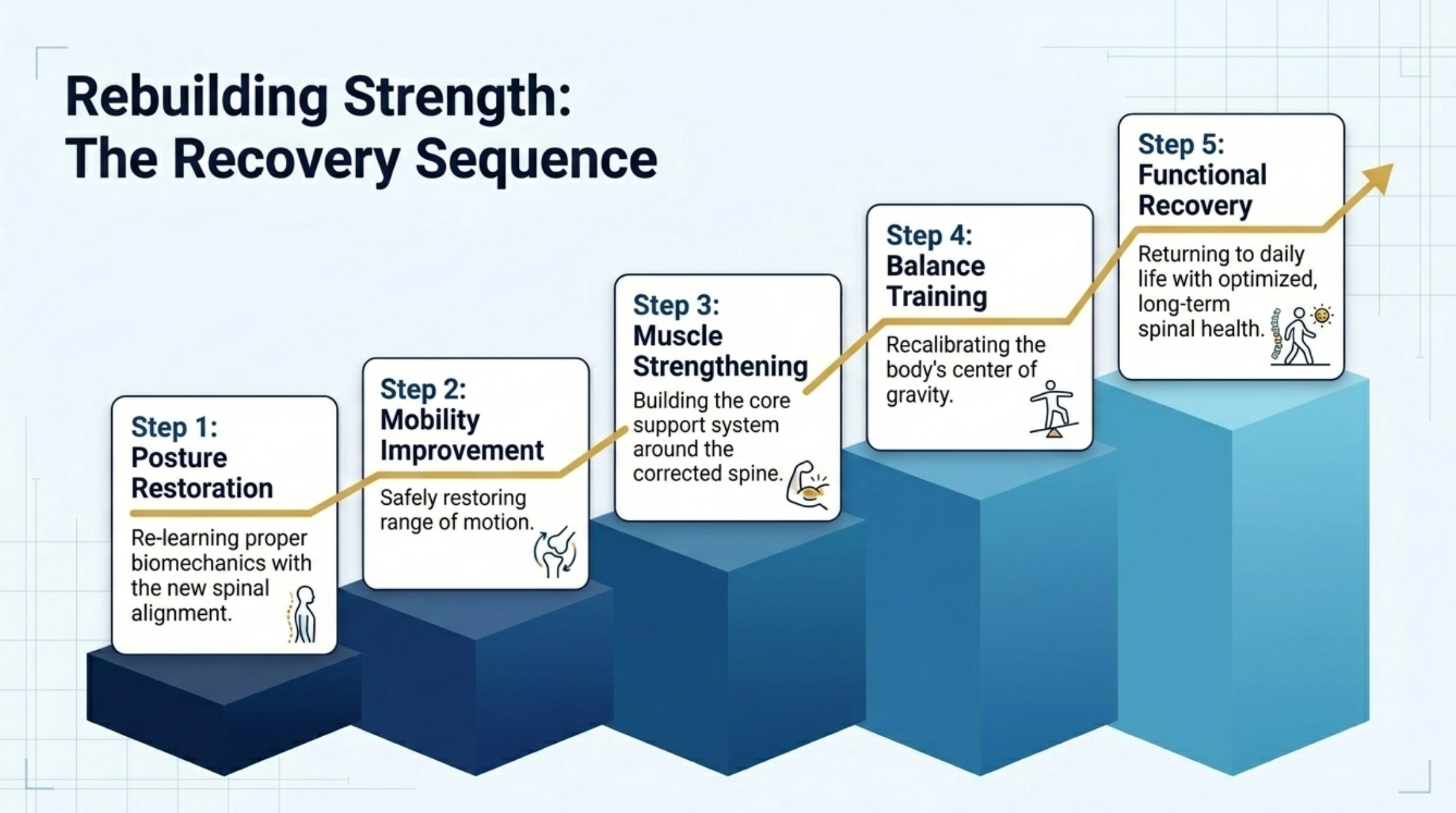
Recovery and rehabilitation are essential components of successful treatment.
Our rehabilitation programs focus on:
Posture restoration
Mobility improvement
Muscle strengthening
Functional recovery
Balance training
Long-term spinal health
Patients receive personalized rehabilitation plans designed to optimize recovery and maintain correction.
Why Choose AMOT Hospital for Spine Deformity Correction in Purnea?
Specialized Spine Expertise
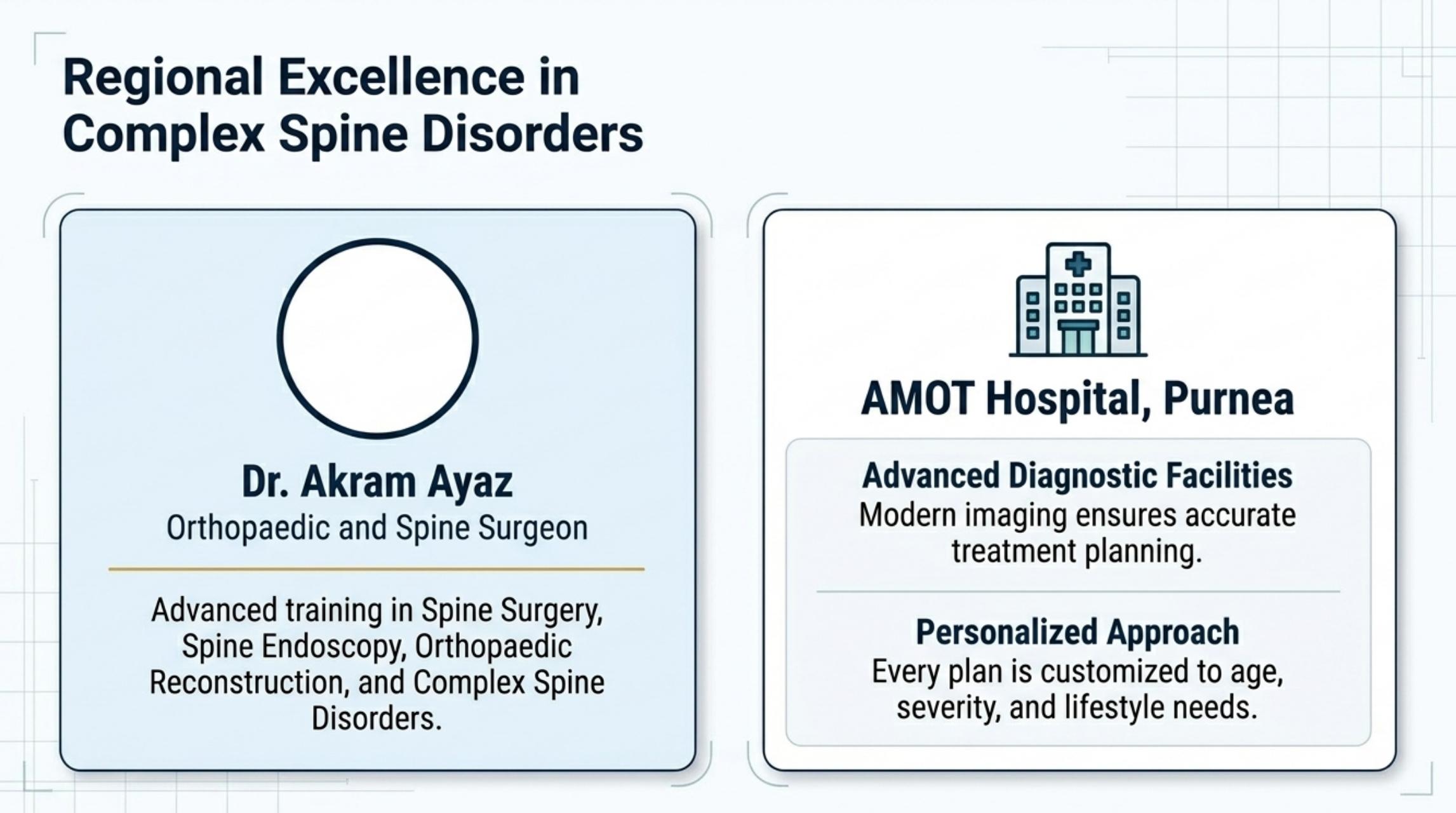
Dr. Akram Ayaz has advanced training in Spine Surgery, Spine Endoscopy, Orthopaedic Reconstruction, and Complex Spine Disorders.
Comprehensive Spine Care
From diagnosis and monitoring to rehabilitation and surgical correction, patients receive complete care under one roof.
Advanced Diagnostic Facilities
Modern imaging and evaluation techniques ensure accurate diagnosis and treatment planning.
Personalized Treatment Approach
Every patient receives a customized treatment plan based on age, condition severity, symptoms, and lifestyle needs.
Trusted Spine Care Center in Bihar
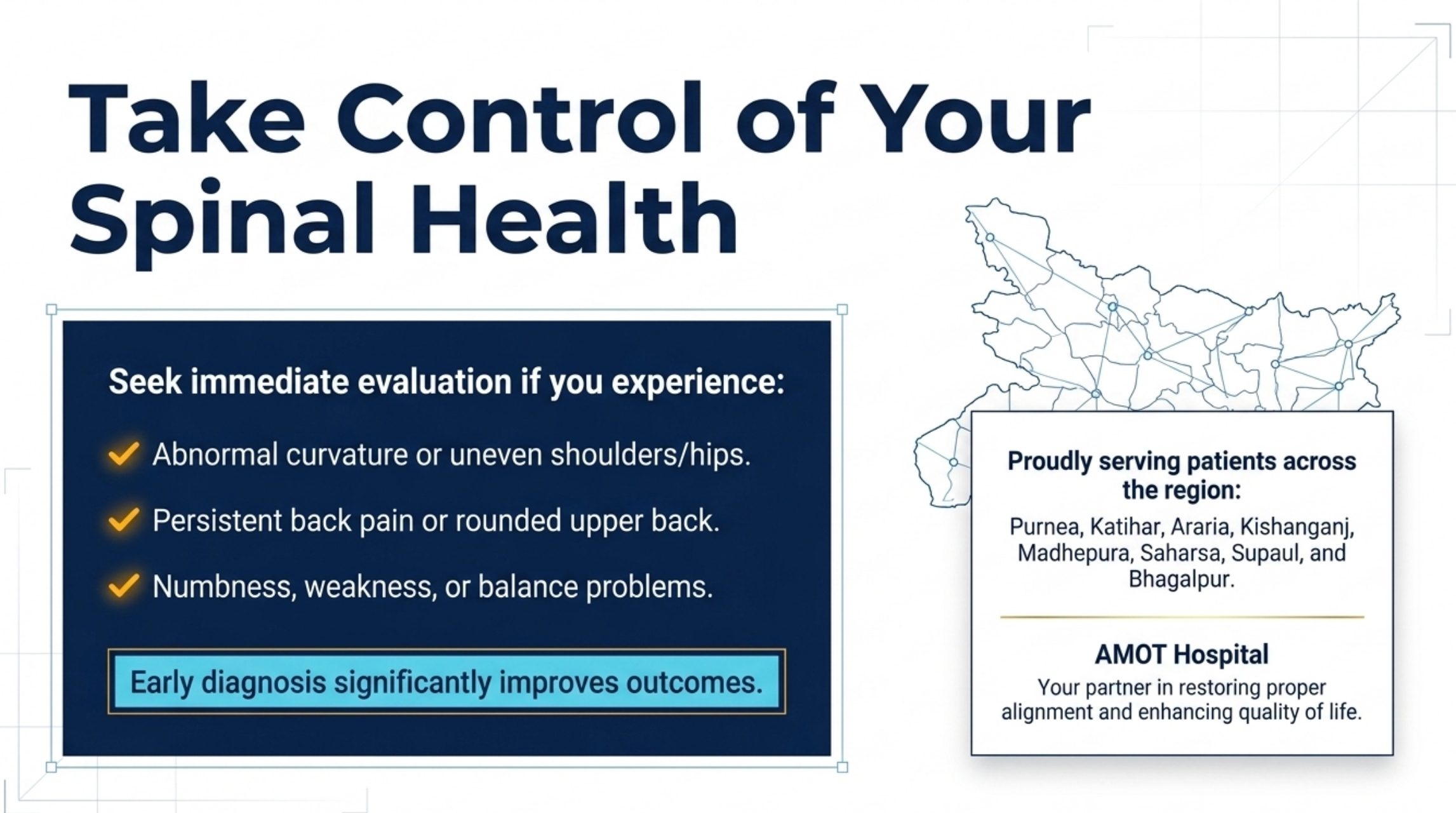
Patients from Purnea, Katihar, Araria, Kishanganj, Madhepura, Saharsa, Supaul, Bhagalpur, and surrounding regions trust AMOT Hospital for advanced spine deformity treatment and corrective surgery.
When Should You Consult a Spine Specialist?
Seek medical consultation if you notice:
- Abnormal spinal curvature
- Uneven shoulders or hips
- Persistent back pain
- Poor posture
- Rounded upper back
- Difficulty standing straight
- Progressive spinal changes
- Numbness or weakness in limbs
- Balance problems
Early diagnosis significantly improves treatment outcomes and helps prevent progression.