Advanced Knee Replacement Treatment at AMOT Hospital
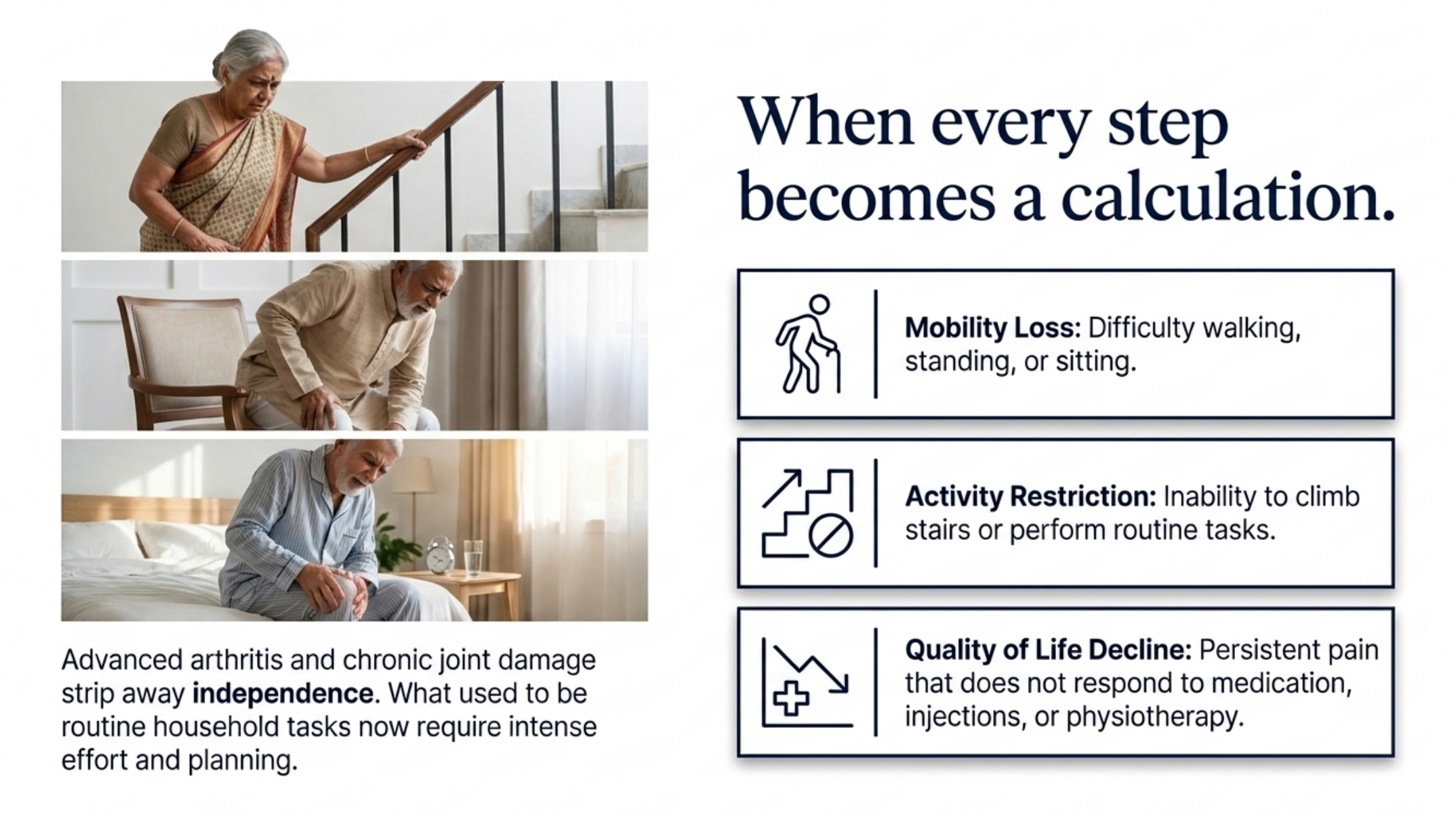
Knee pain can make even the simplest daily activities difficult. Walking, climbing stairs, sitting, standing, or performing routine household tasks can become painful and challenging when the knee joint is severely damaged. For many patients suffering from advanced arthritis or chronic knee conditions, Knee Replacement Surgery offers a safe and effective solution to restore mobility, reduce pain, and improve quality of life.
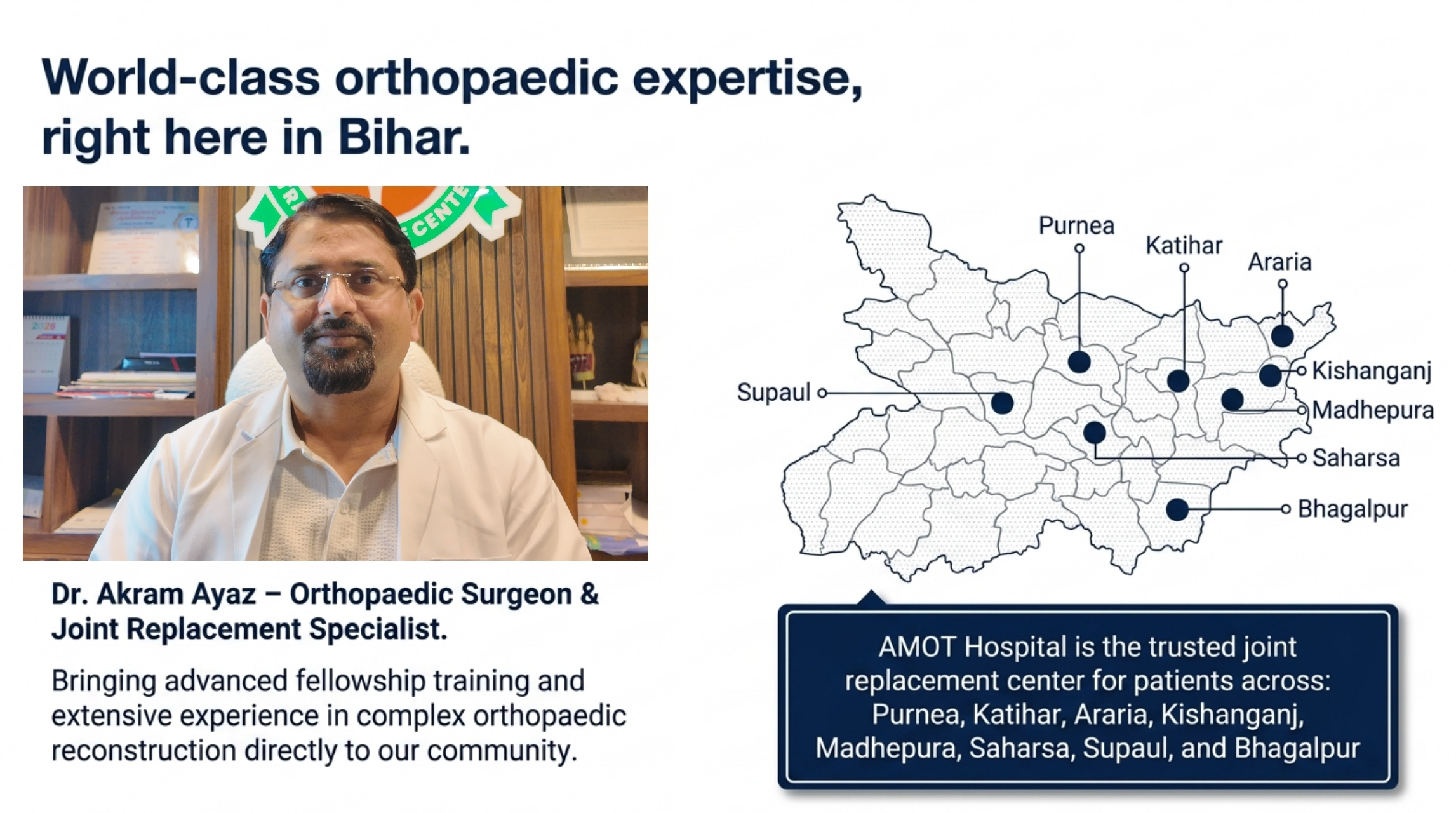
At AMOT Hospital, Purnea, we provide comprehensive Knee Replacement Surgery services under the expert care of Dr. Akram Ayaz, Orthopaedic Surgeon and Joint Replacement Specialist. With advanced training in Knee Replacement Surgery and extensive experience in orthopaedic reconstruction, Dr. Akram Ayaz offers personalized treatment plans designed to help patients return to an active, pain-free lifestyle.
Patients from Purnea, Katihar, Araria, Kishanganj, Madhepura, Saharsa, Supaul, Bhagalpur, and neighboring regions trust AMOT Hospital for advanced joint replacement and orthopaedic care.
What is Knee Replacement Surgery?
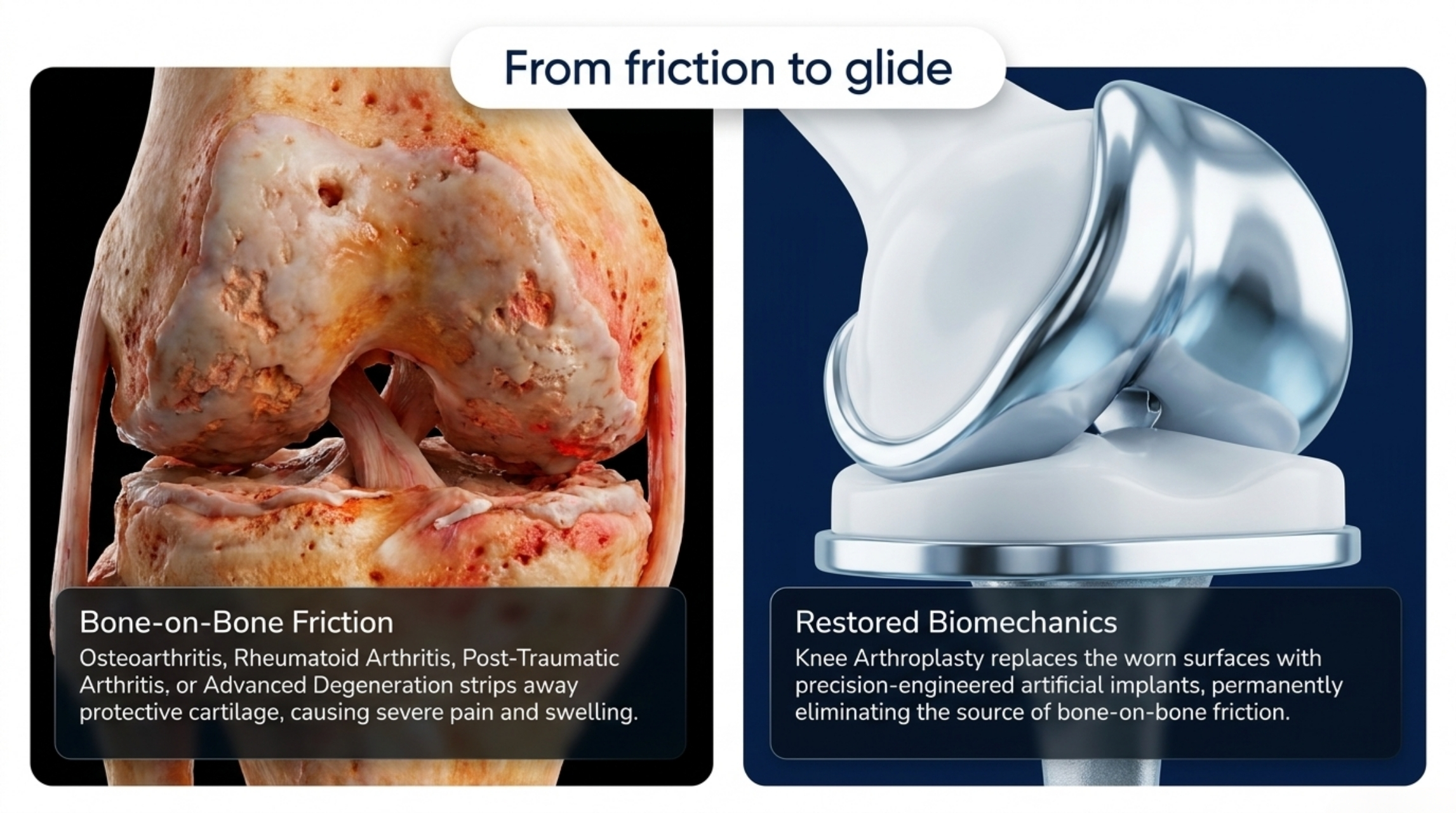
Knee Replacement Surgery, also known as Knee Arthroplasty, is a surgical procedure in which damaged or worn-out portions of the knee joint are replaced with artificial implants designed to restore smooth movement and joint function.
The procedure is commonly recommended for patients suffering from severe knee arthritis, joint degeneration, or knee damage that no longer responds to medications, injections, physiotherapy, or other conservative treatments.
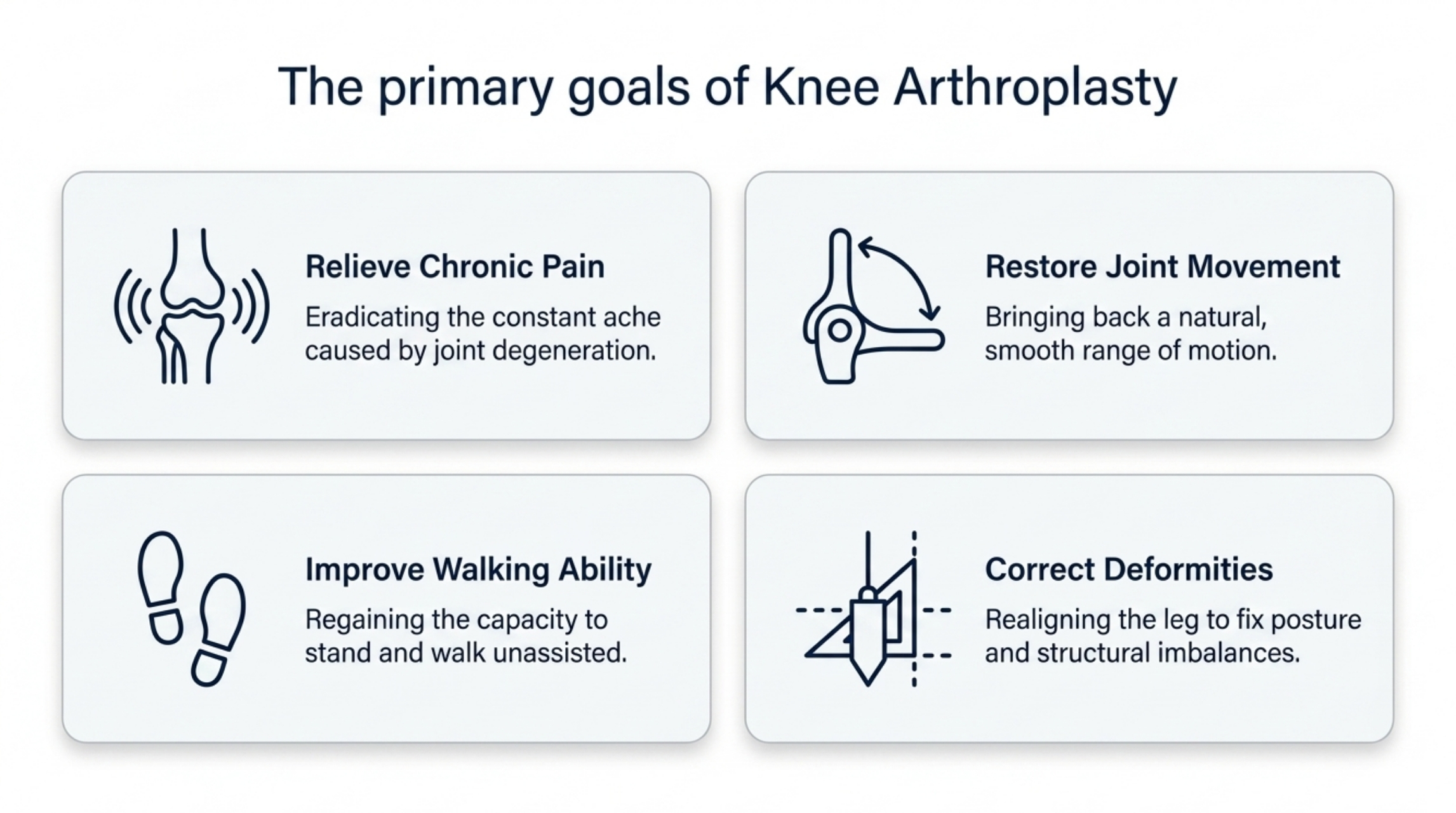
The primary goals of knee replacement surgery are:
Relieve chronic knee pain
Restore joint movement
Improve walking ability
Correct deformities
Enhance overall quality of life
Understanding the Knee Joint
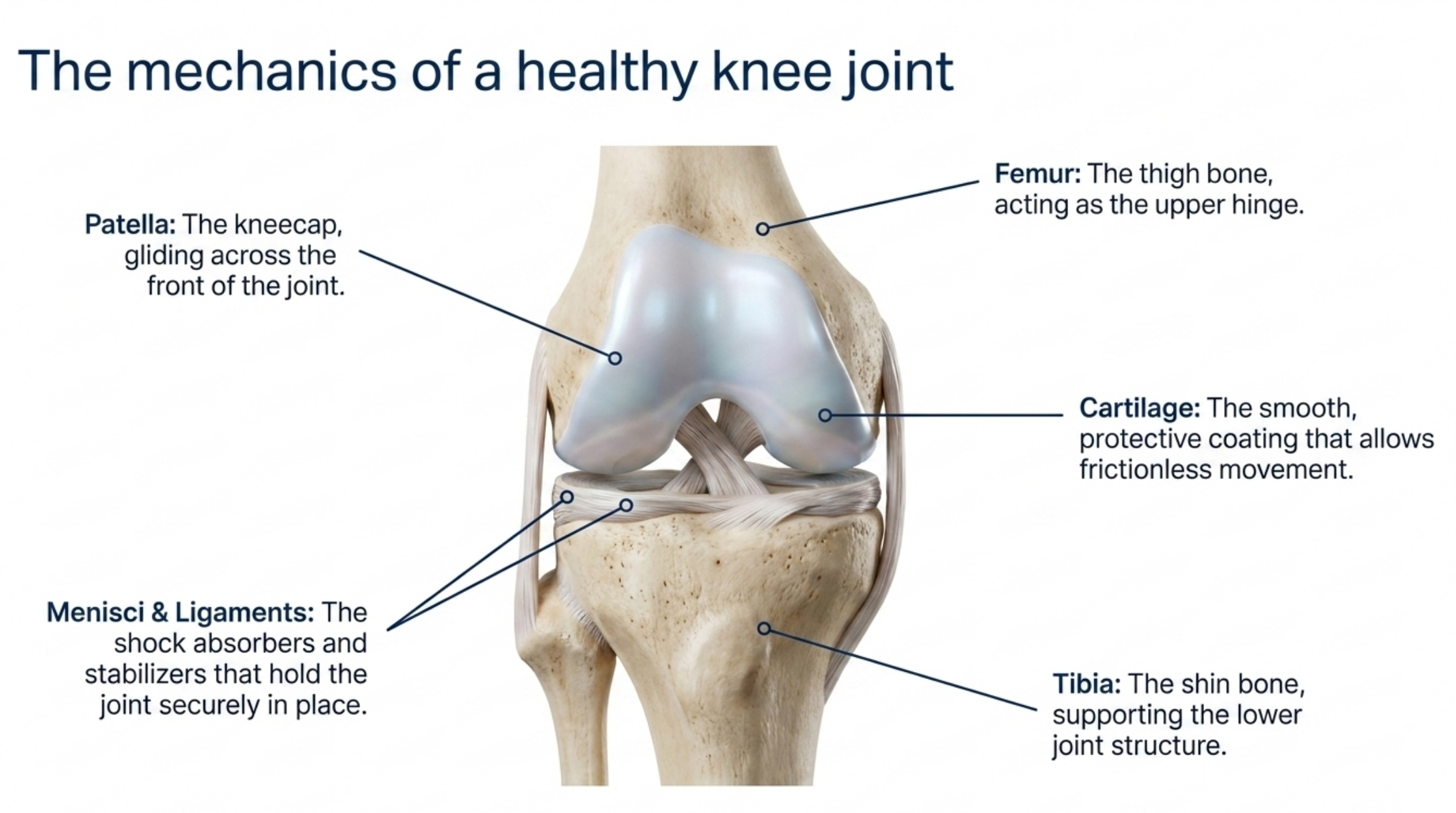
The knee is one of the largest and most important joints in the body.
It consists of:
Femur (Thigh Bone)
Tibia (Shin Bone)
Patella (Kneecap)
Cartilage
Ligaments
Menisci
Healthy cartilage allows smooth movement of the joint. When cartilage wears away due to arthritis or injury, bones begin rubbing against each other, causing pain, stiffness, swelling, and loss of function.
Common Conditions Requiring Knee Replacement Surgery
Osteoarthritis
Osteoarthritis is the most common reason for knee replacement surgery.
It occurs when the protective cartilage gradually wears away, resulting in:
Pain
Stiffness
Swelling
Reduced mobility
Rheumatoid Arthritis
An autoimmune condition that causes chronic inflammation and progressive joint damage.
Post-Traumatic Arthritis
Arthritis that develops following fractures, ligament injuries, or previous knee trauma.
Advanced Joint Degeneration
Severe wear and tear of the knee joint can lead to persistent pain and disability.
Knee Deformities
Conditions causing bow-legged or knock-kneed deformities may require surgical correction and joint replacement.
Symptoms That May Indicate the Need for Knee Replacement
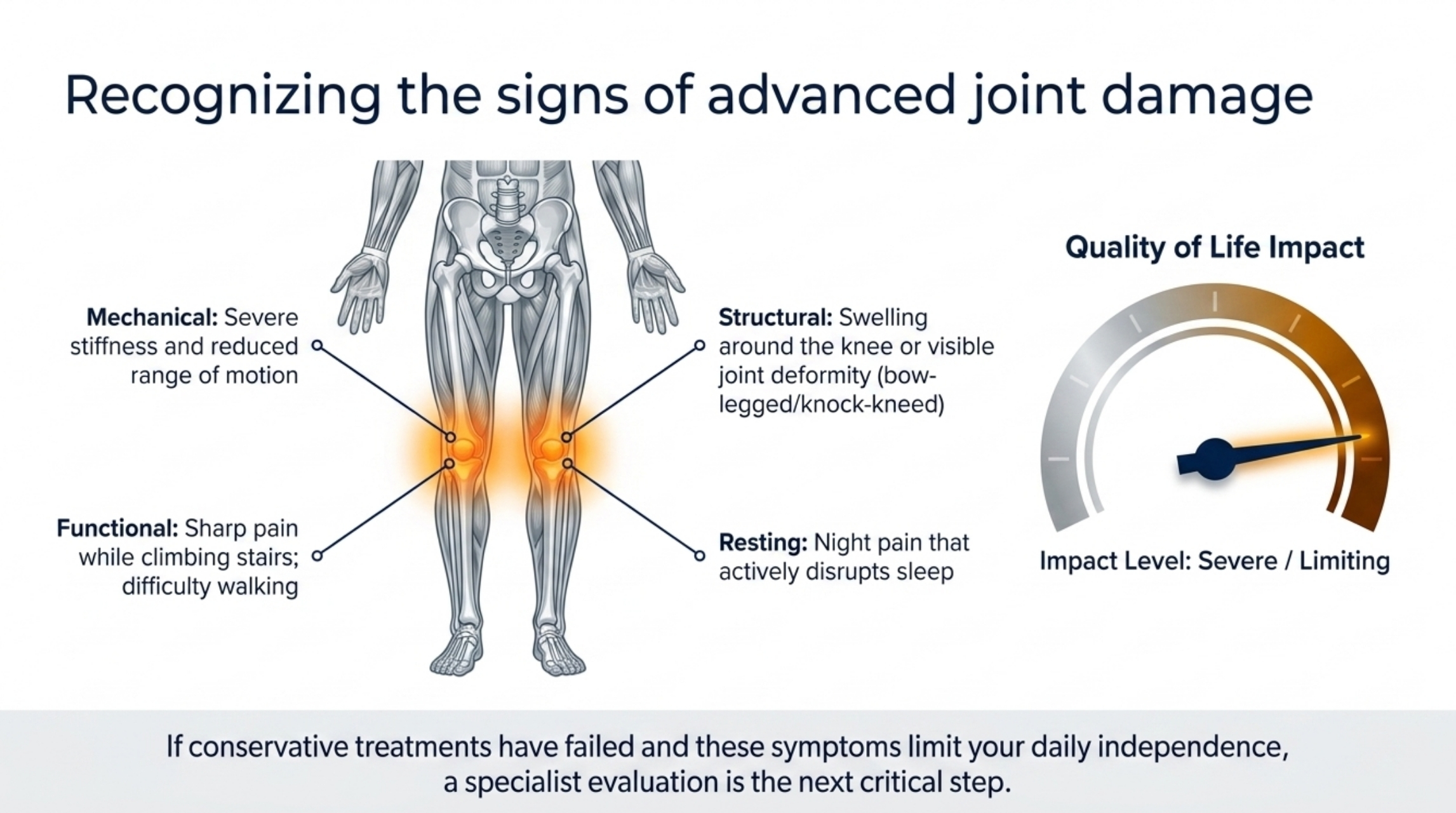
You may be a candidate for Knee Replacement Surgery if you experience:
Persistent knee pain
Severe stiffness
Difficulty walking
Pain while climbing stairs
Swelling around the knee
Reduced range of motion
Night pain affecting sleep
Knee deformity
Failure of medications and physiotherapy
Reduced ability to perform daily activities
If knee pain significantly affects your quality of life, specialist evaluation is recommended.
Types of Knee Replacement Surgery
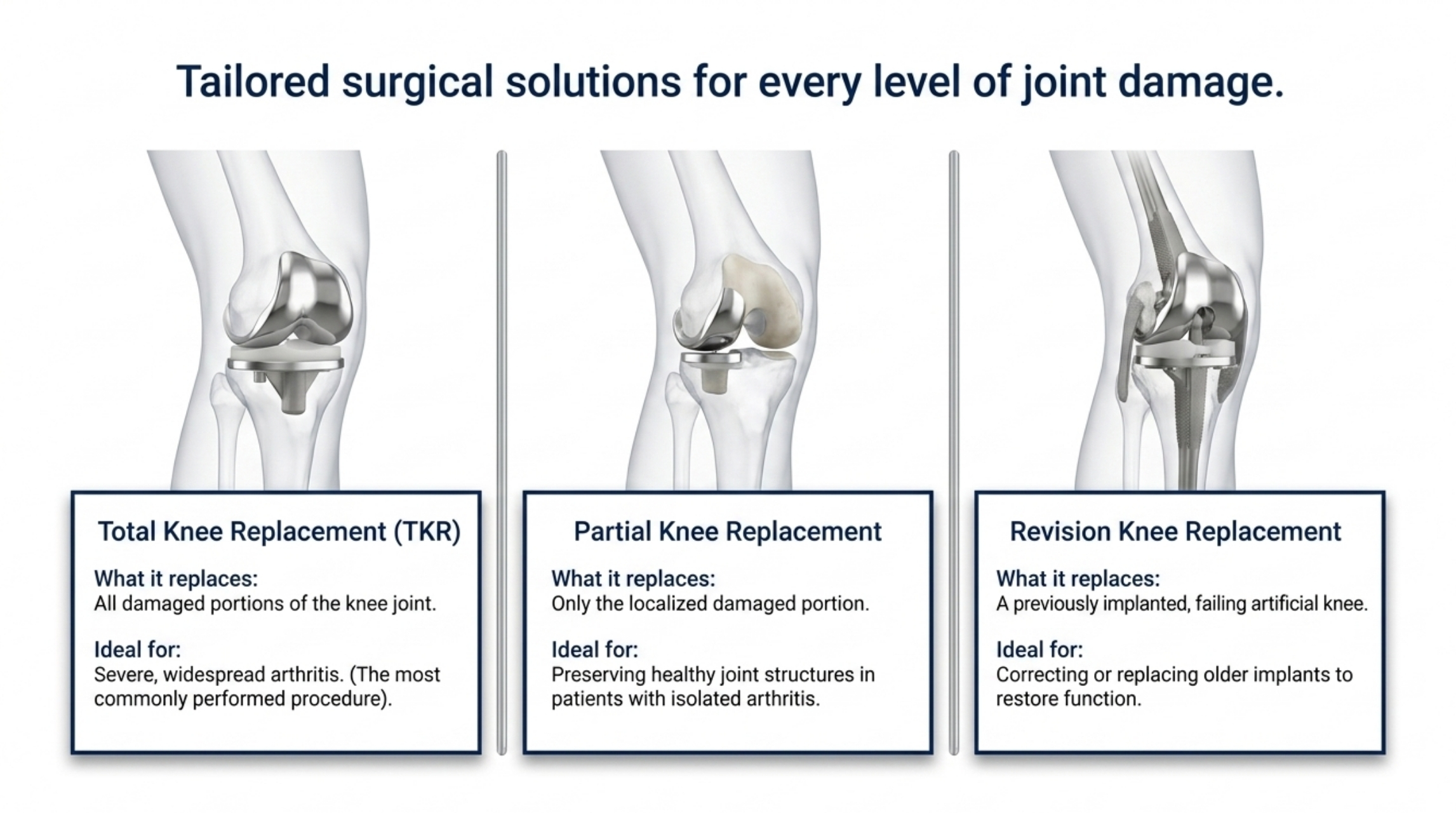
Total Knee Replacement (TKR)
In Total Knee Replacement, all damaged portions of the knee joint are replaced with artificial components.
This is the most commonly performed knee replacement procedure.
Partial Knee Replacement
Only the damaged portion of the knee is replaced while preserving healthy joint structures.
Selected patients with localized arthritis may benefit from this option.
Revision Knee Replacement
Performed when a previously implanted knee replacement requires correction or replacement.
Comprehensive Pre-Surgical Evaluation
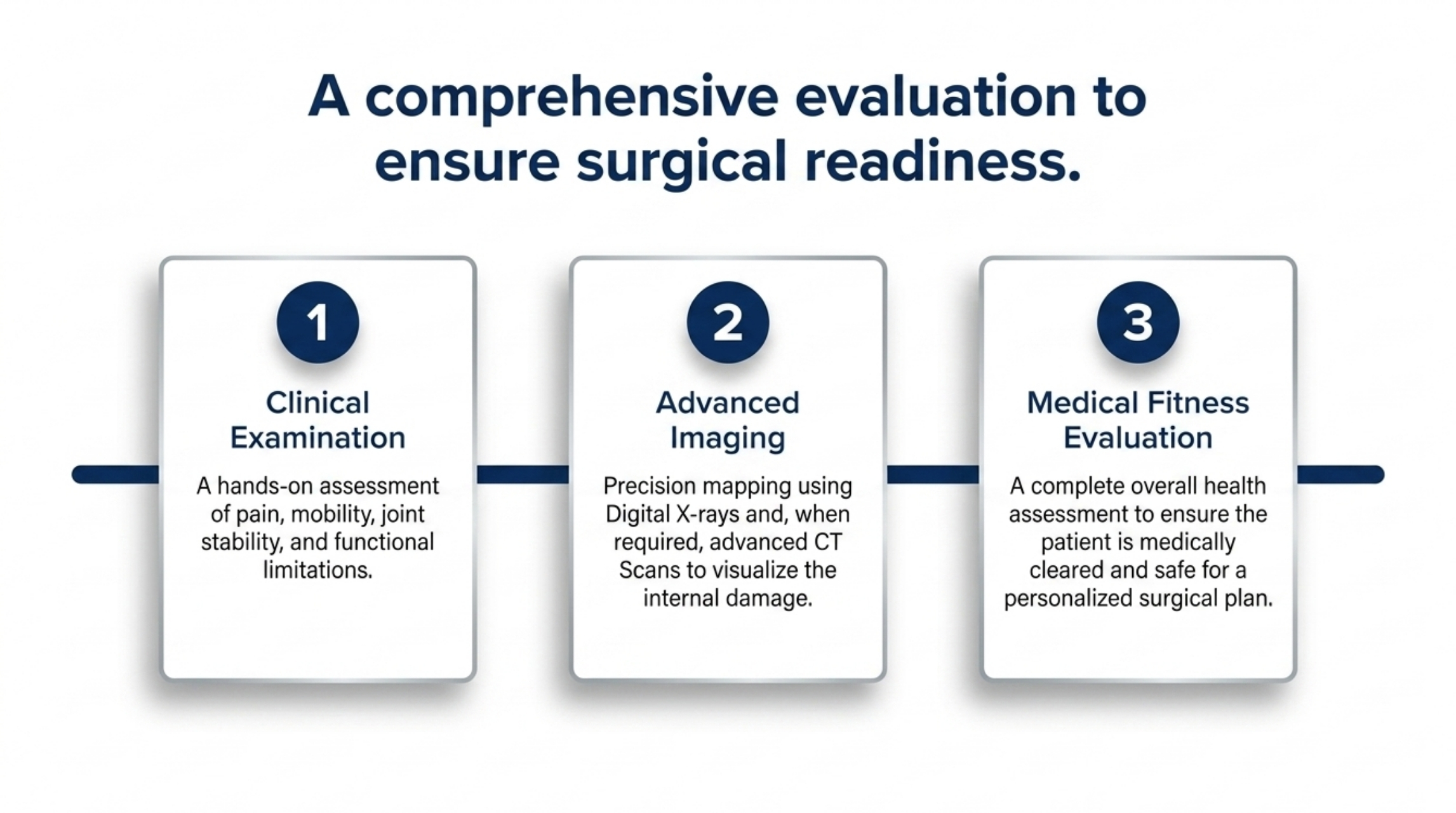
At AMOT Hospital, every patient undergoes a detailed assessment before surgery.
Evaluation may include:
Clinical Examination
Assessment of pain, mobility, joint stability, and functional limitations.
Imaging Studies
Digital X-rays
Advanced Knee Imaging
CT Scan (when required)
Medical Evaluation
Overall health assessment ensures that patients are medically fit for surgery.
A personalized treatment plan is developed according to the patient’s condition and lifestyle needs.
Benefits of Knee Replacement Surgery
Modern Knee Replacement Surgery offers significant improvements in both function and quality of life.
Benefits include:
Pain Relief
Most patients experience dramatic reduction in chronic knee pain.
Improved Mobility
Walking, standing, and climbing stairs become easier and more comfortable.
Better Joint Function
The artificial joint restores smooth movement and stability.
Correction of Deformity
Surgical correction improves alignment and posture.
Improved Quality of Life
Patients often return to activities that were previously impossible due to knee pain.
Long-Term Results
Modern knee implants are designed to provide durable and long-lasting outcomes.
Advanced Surgical Techniques
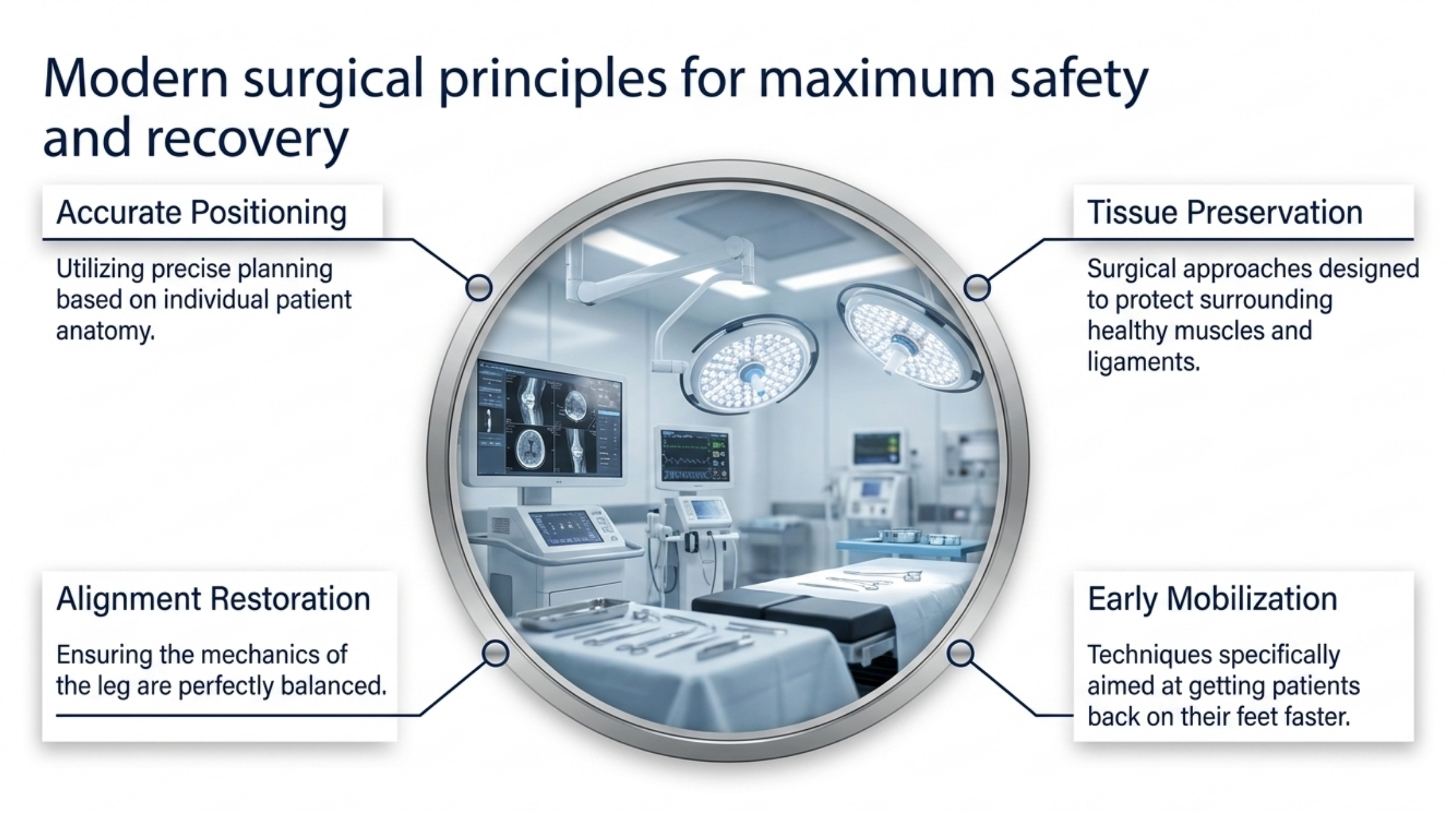
At AMOT Hospital, we utilize modern surgical principles aimed at maximizing safety, precision, and recovery.
Our approach focuses on:
Accurate implant positioning
Preservation of healthy tissues
Restoration of knee alignment
Improved joint function
Early mobilization
Every surgery is carefully planned according to the patient’s anatomy and functional requirements.
Recovery After Knee Replacement Surgery
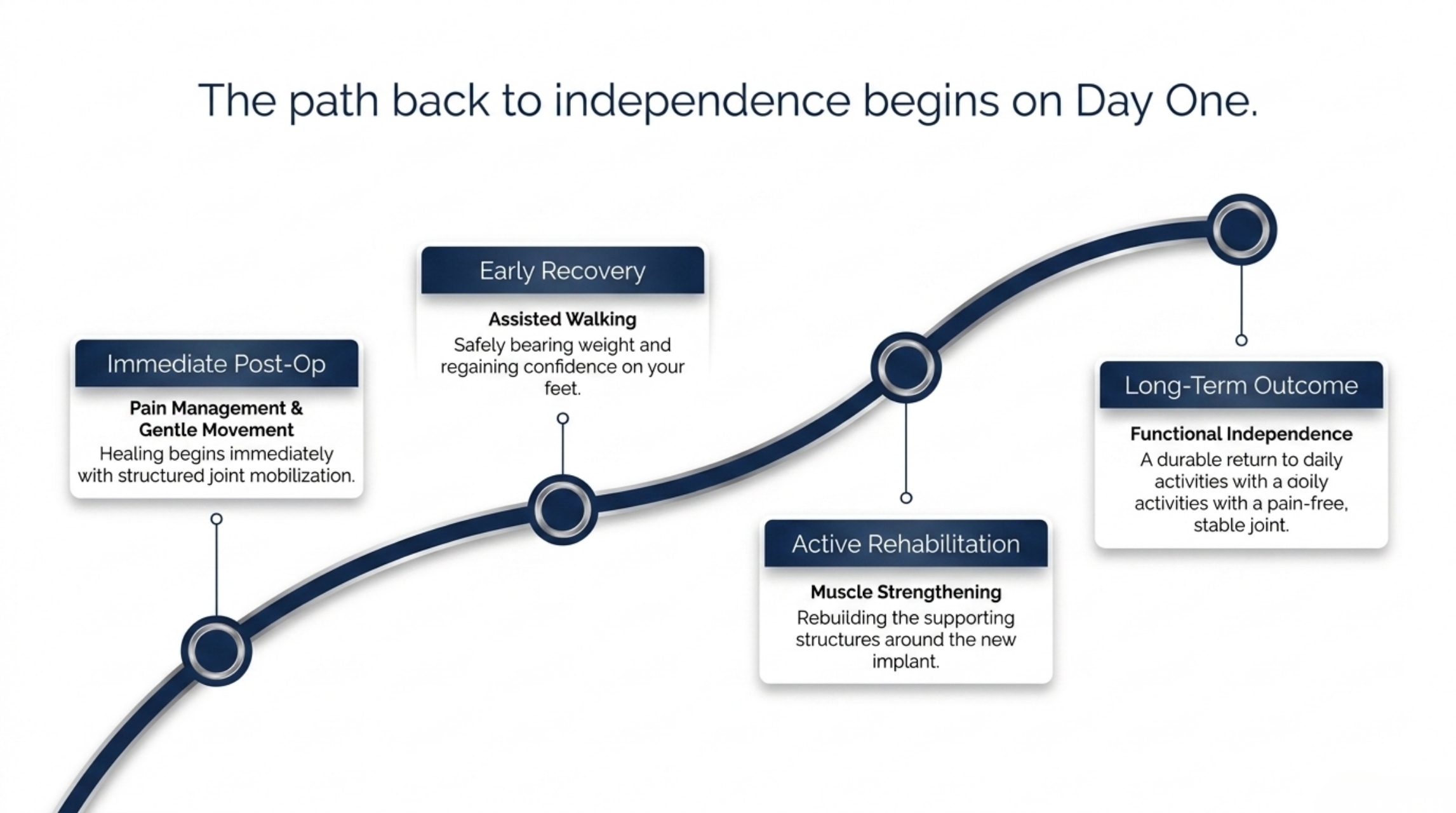
Recovery begins immediately after surgery.
Most patients are encouraged to start gentle movement and rehabilitation early to promote healing and improve outcomes.
The recovery process typically includes:
Pain management
Assisted walking
Joint mobilization
Muscle strengthening
Physiotherapy
Functional rehabilitation
The duration of recovery varies depending on age, health condition, and rehabilitation progress.
Physiotherapy and Rehabilitation
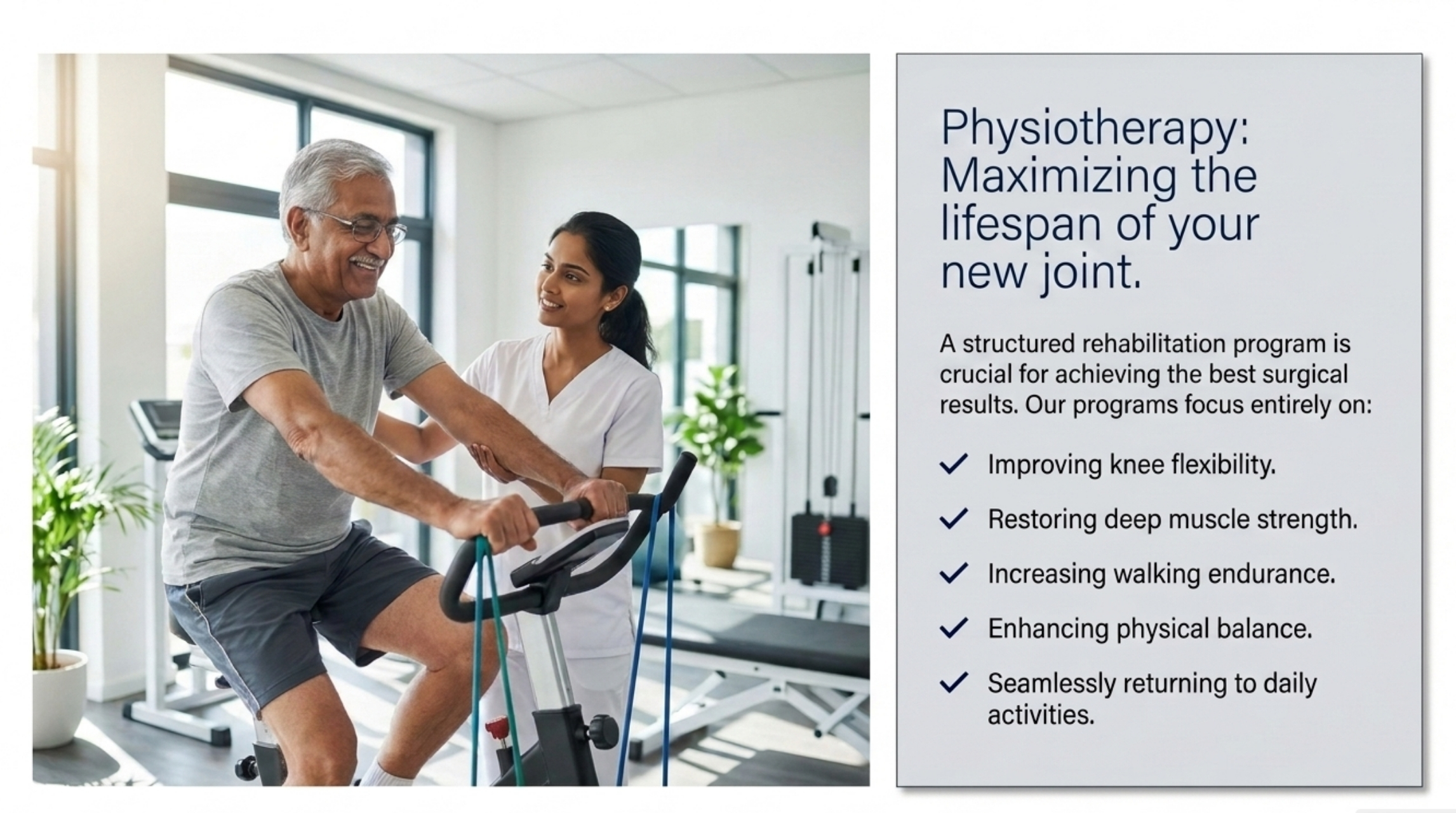
Rehabilitation plays a crucial role in achieving the best results after Knee Replacement Surgery.
Our rehabilitation programs focus on:
Improving knee flexibility
Restoring muscle strength
Increasing walking ability
Enhancing balance
Returning to daily activities
A structured physiotherapy program helps maximize the lifespan and function of the replaced joint.
Physiotherapy and Rehabilitation
Rehabilitation plays a crucial role in achieving the best results after Knee Replacement Surgery.
Our rehabilitation programs focus on:
Improving knee flexibility
Restoring muscle strength
Increasing walking ability
Enhancing balance
Returning to daily activities
A structured physiotherapy program helps maximize the lifespan and function of the replaced joint.
Why Choose AMOT Hospital for Knee Replacement Surgery in Purnea?
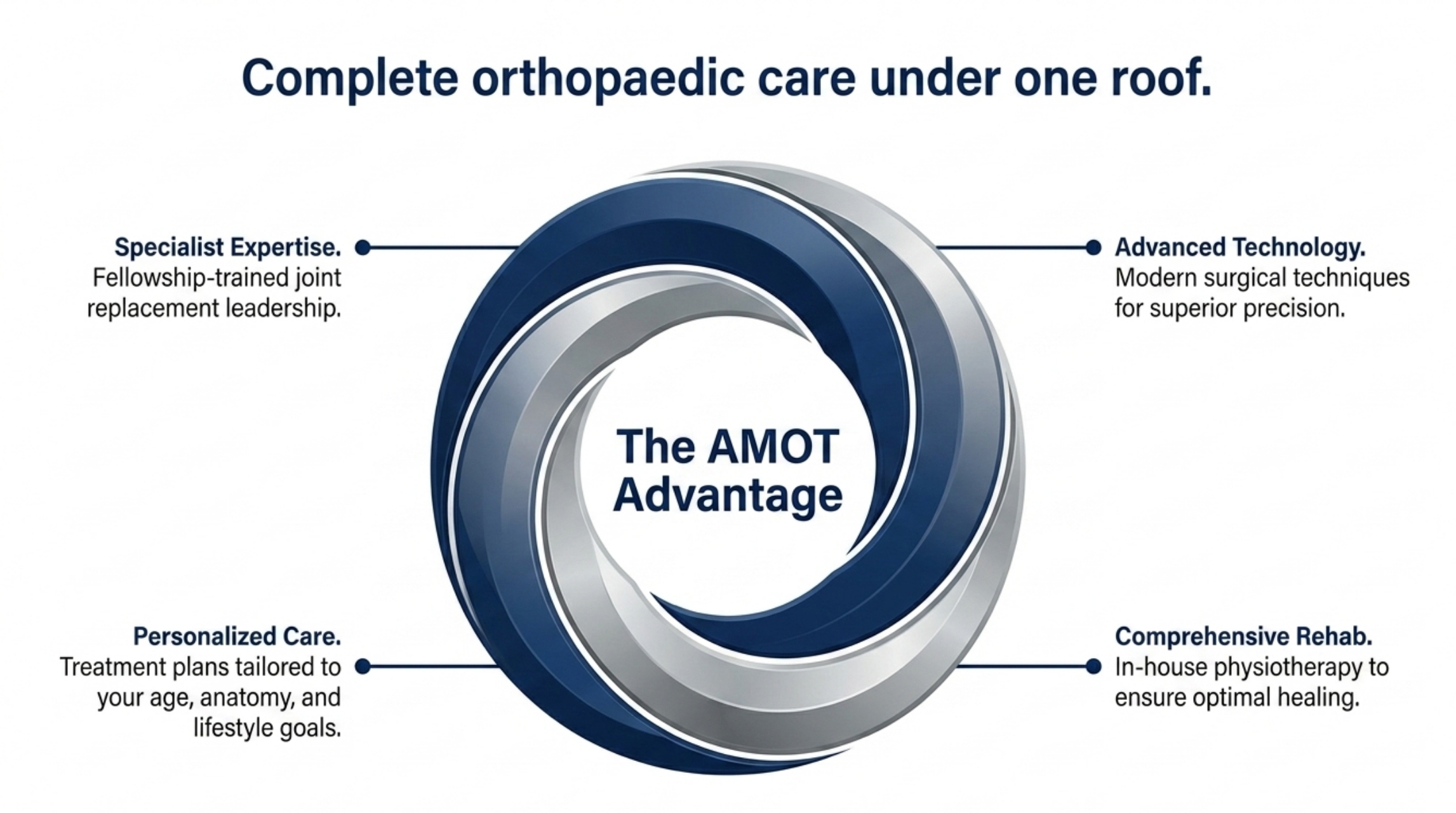
Joint Replacement Specialist
Dr. Akram Ayaz has specialized fellowship training in Knee Replacement Surgery and extensive experience in advanced orthopaedic procedures.
Comprehensive Orthopaedic Care
From diagnosis and surgical planning to rehabilitation and long-term follow-up, patients receive complete care under one roof.
Advanced Treatment Approach
Modern surgical techniques help ensure better outcomes and faster recovery.
Personalized Care
Every patient receives an individualized treatment plan tailored to their condition, age, activity level, and goals.
Trusted Joint Replacement Center in Bihar
Patients from Purnea, Katihar, Araria, Kishanganj, Madhepura, Saharsa, Supaul, Bhagalpur, and surrounding districts trust AMOT Hospital for advanced knee replacement and orthopaedic care.
Who is an Ideal Candidate for Knee Replacement Surgery?
You may be an ideal candidate if:
Knee pain limits daily activities
Conservative treatment has failed
Arthritis has severely damaged the joint
Walking has become difficult
Joint stiffness affects mobility
Pain affects sleep and quality of life
A consultation with a joint replacement specialist can help determine the most appropriate treatment option.
Life After Knee Replacement Surgery
Most patients experience significant improvement in:
Walking ability
Daily activities
Joint movement
Pain levels
Independence
Overall quality of life
With proper rehabilitation and follow-up care, patients can enjoy long-term benefits and improved mobility for many years.