Advanced Diagnosis and Treatment of Neck, Mid-Back & Lower Back Disorders at AMOT Hospital

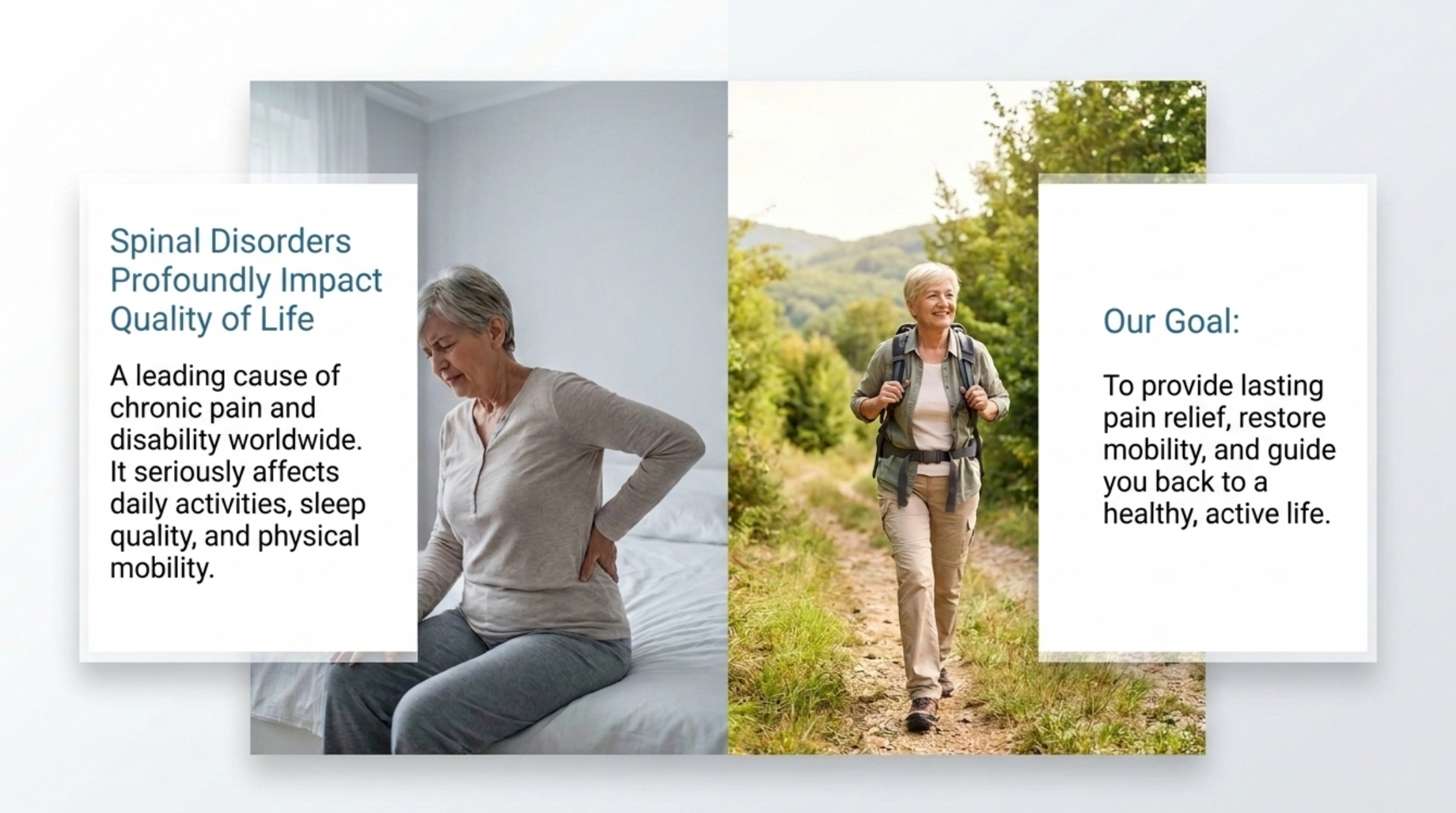
Spinal disorders are among the most common causes of chronic pain, reduced mobility, and disability worldwide. Conditions affecting the cervical (neck), thoracic (mid-back), and lumbar (lower back) regions of the spine can significantly impact daily activities, work performance, sleep quality, and overall well-being.

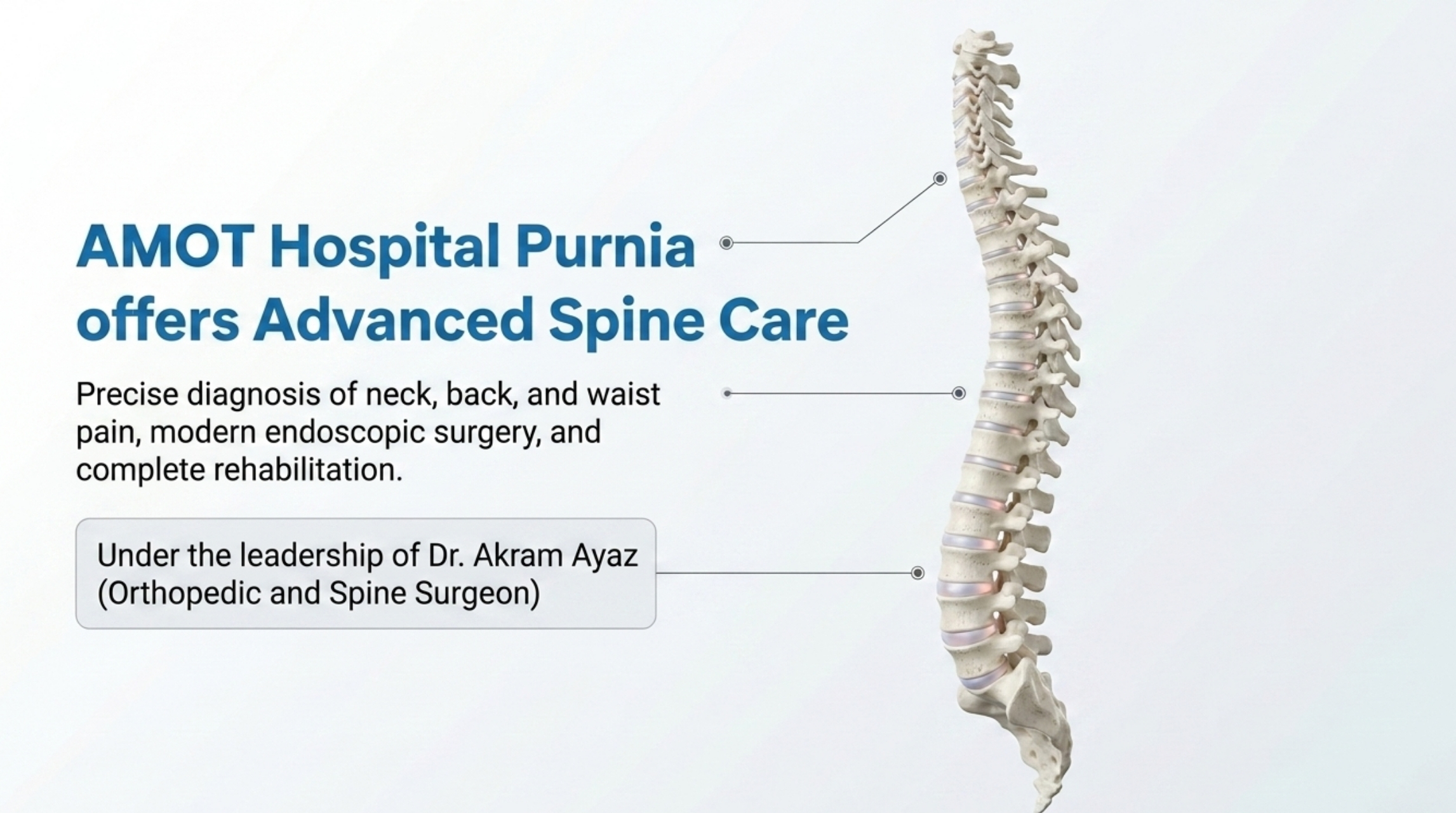
At AMOT Hospital, Purnea, we provide comprehensive evaluation and advanced treatment for a wide range of spinal disorders. Under the expert care of Dr. Akram Ayaz, Orthopaedic and Spine Surgeon, patients receive personalized treatment plans ranging from conservative management and physiotherapy to advanced minimally invasive spine procedures.

Our goal is to relieve pain, restore mobility, improve function, and help patients return to an active, healthy lifestyle.

Understanding the Human Spine

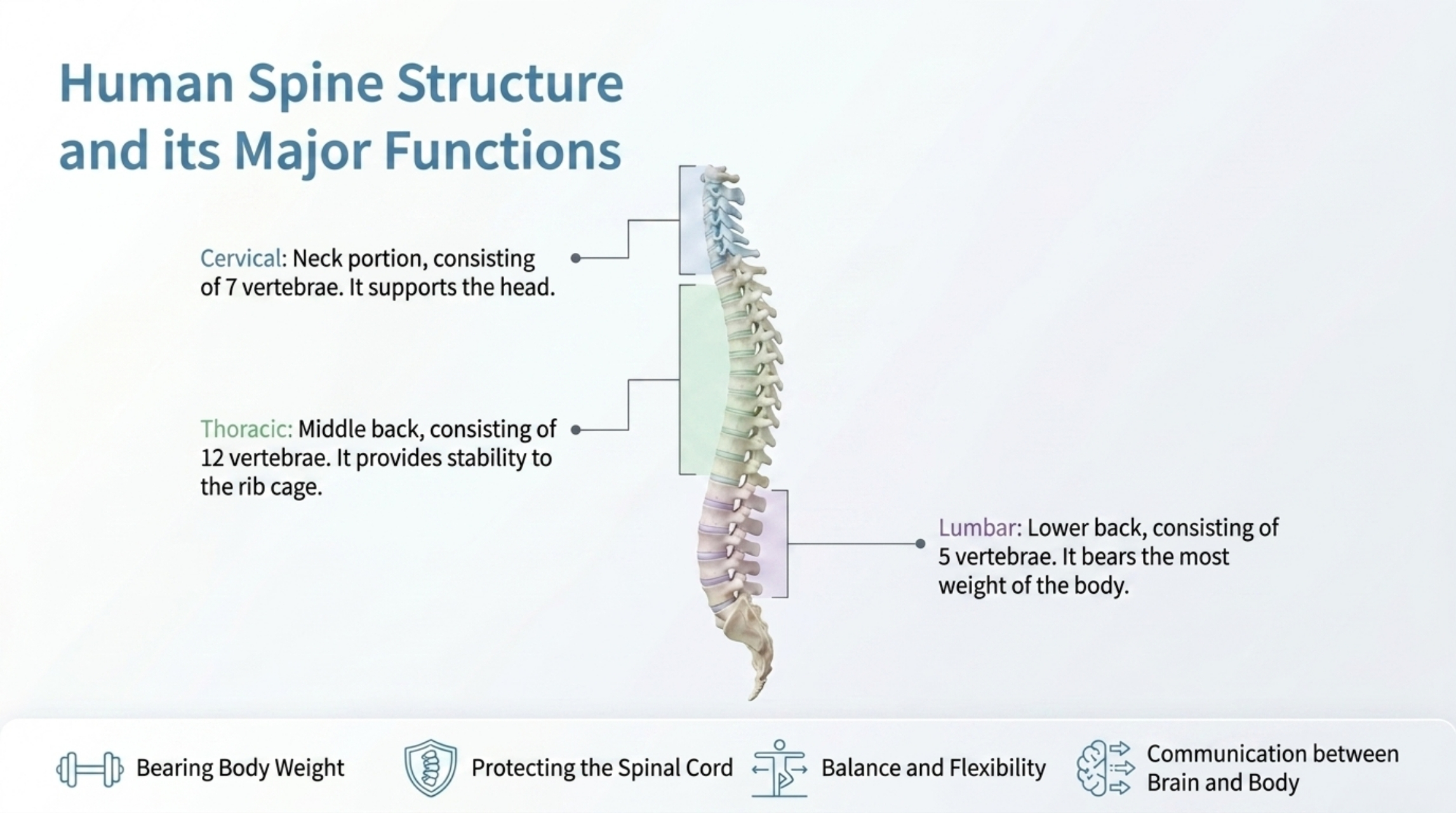
The spine is a complex structure made up of vertebrae, intervertebral discs, joints, muscles, ligaments, and nerves. It serves multiple important functions including:

Supporting body weight
Protecting the spinal cord
Maintaining posture and balance
Allowing flexibility and movement
Enabling communication between the brain and body through spinal nerves

Understanding the Human Spine

The spine is a complex structure made up of vertebrae, intervertebral discs, joints, muscles, ligaments, and nerves. It serves multiple important functions including:

Supporting body weight
Protecting the spinal cord
Maintaining posture and balance
Allowing flexibility and movement
Enabling communication between the brain and body through spinal nerves

The spine is divided into three major regions commonly affected by disorders:

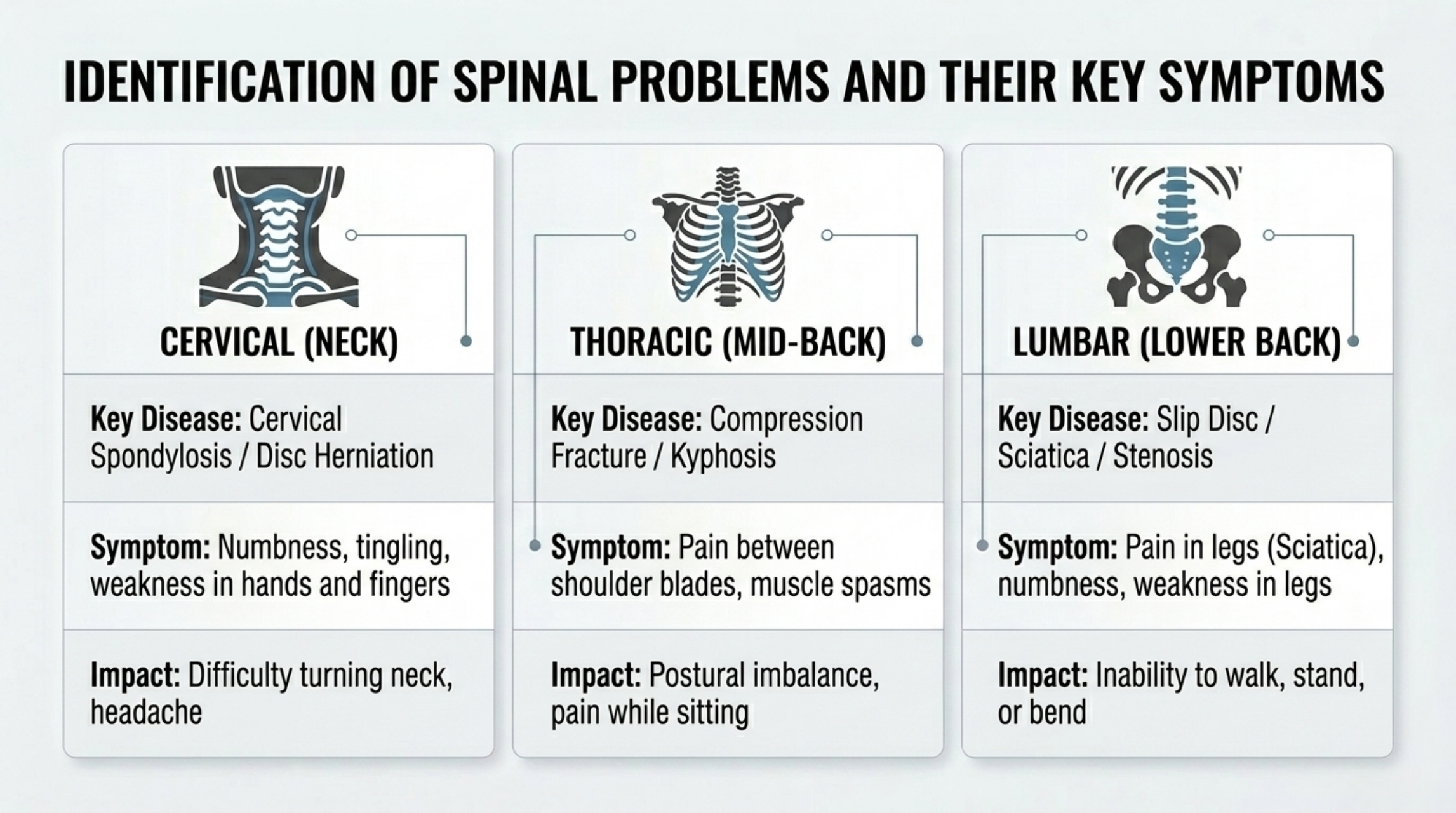
Cervical Spine

Located in the neck and consists of seven vertebrae.

Thoracic Spine

Located in the middle back and consists of twelve vertebrae.

Lumbar Spine

Located in the lower back and consists of five vertebrae that bear most of the body’s weight.

Disorders affecting any of these regions can lead to pain, stiffness, nerve compression, weakness, and reduced mobility.


Common Causes of Spine Disorders

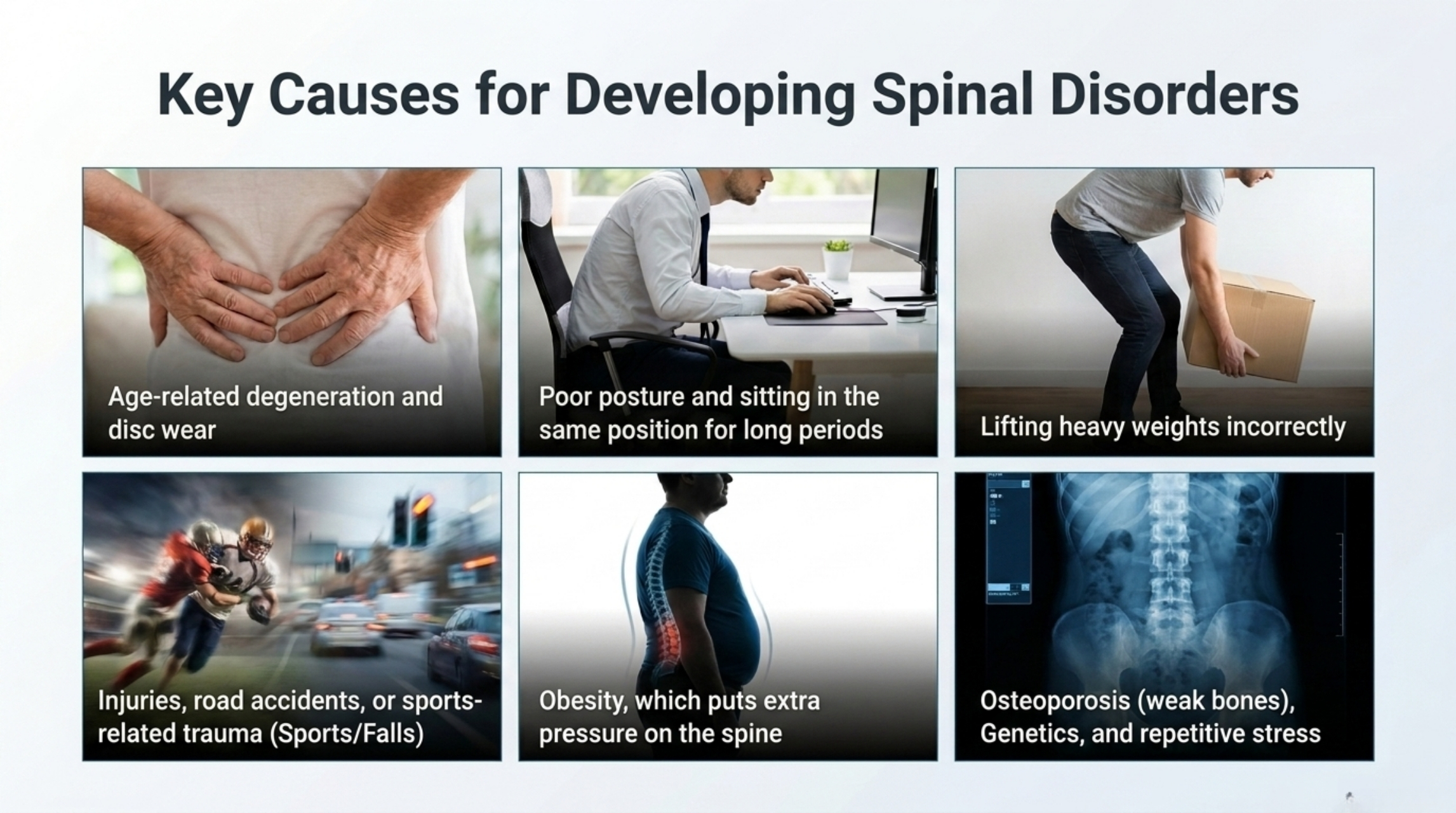
Spinal problems may develop due to:

Age-related degeneration
Poor posture
Prolonged sitting
Heavy lifting
Repetitive strain injuries
Sports injuries
Road traffic accidents
Falls
Obesity
Osteoporosis
Disc degeneration
Congenital abnormalities

Early diagnosis can prevent progression and reduce the risk of long-term complications.

Cervical Spine Disorders (Neck Disorders)

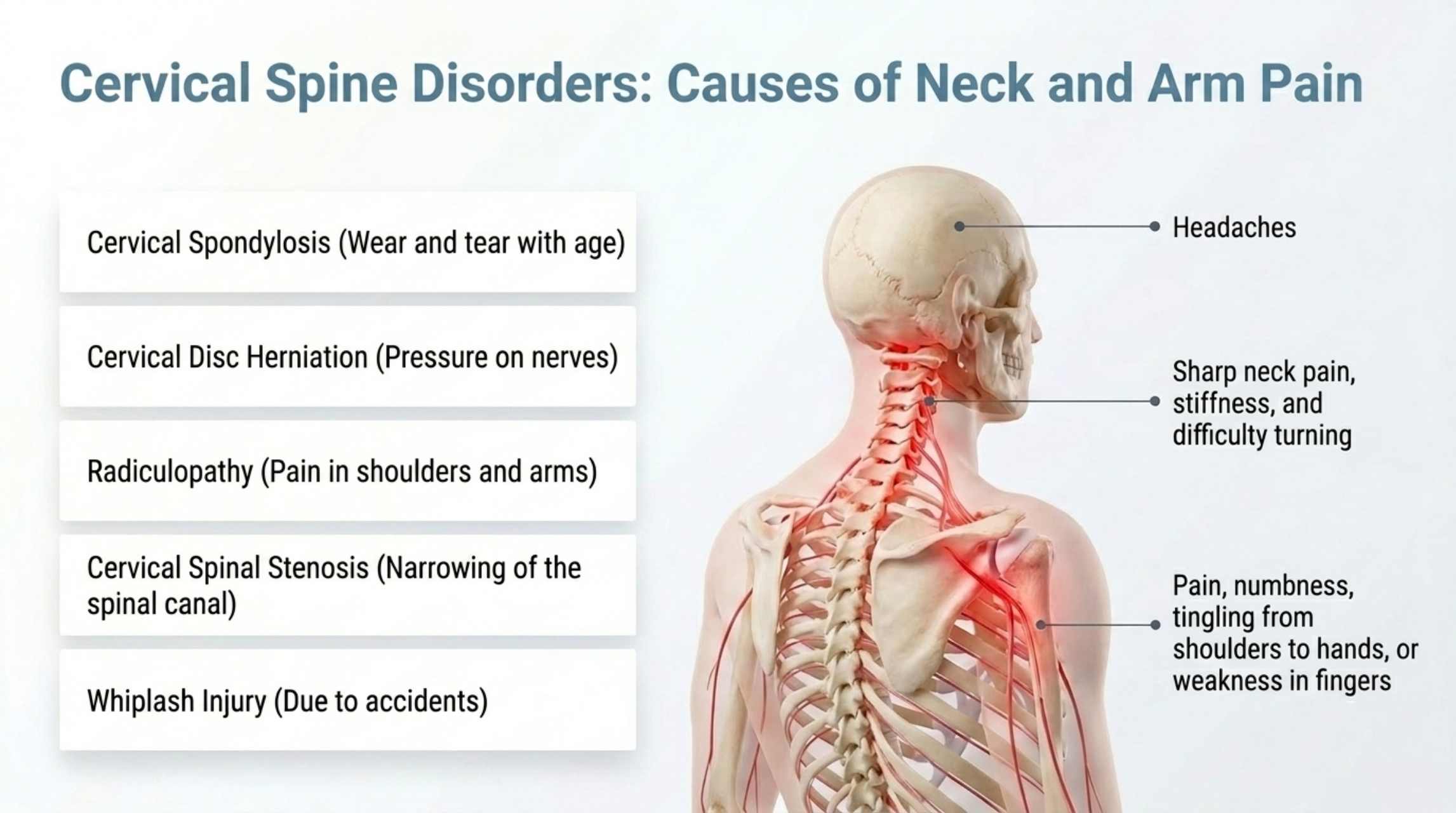
The cervical spine supports the head and enables neck movement. Because it is highly mobile, it is prone to wear, injury, and degenerative changes.

Common Cervical Spine Conditions
Cervical Spondylosis

Age-related degeneration of the cervical spine that causes neck pain, stiffness, and reduced mobility.

Cervical Disc Herniation

A slipped or bulging disc in the neck region that compresses nearby nerves.

Cervical Radiculopathy

Compression of spinal nerves causing pain, numbness, tingling, or weakness radiating into the shoulders and arms.

Cervical Spinal Stenosis

Narrowing of the spinal canal leading to nerve compression and neurological symptoms.

Whiplash Injury

A sudden neck injury commonly caused by road traffic accidents.

Symptoms of Cervical Spine Disorders

Neck pain
Neck stiffness
Shoulder pain
Headaches
Arm pain
Tingling in hands
Numbness in fingers
Weakness in upper limbs
Difficulty turning the neck


Treatment Options
Medication management
Physiotherapy
Posture correction
Cervical traction
Nerve pain treatment
Minimally invasive spine procedures
Endoscopic spine surgery when required

Thoracic Spine Disorders (Mid-Back Disorders)

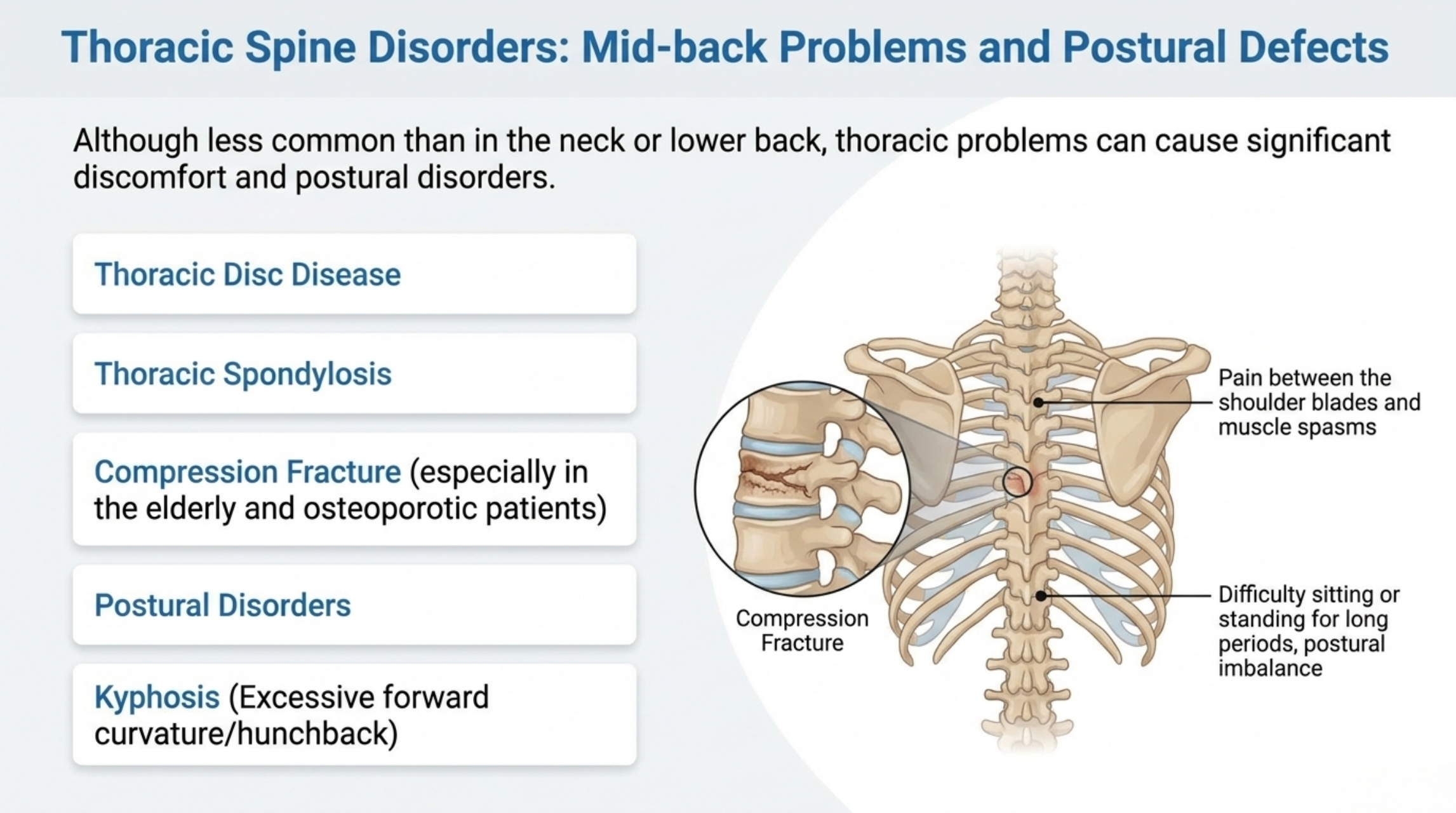
The thoracic spine provides stability and supports the rib cage. Although less commonly affected than the neck and lower back, thoracic disorders can still cause significant discomfort and functional limitations.

Common Thoracic Spine Conditions:-
Thoracic Disc Disease

Degeneration or herniation of discs in the middle back.

Thoracic Spondylosis

Wear and tear affecting thoracic vertebrae and joints.

Compression Fractures

Common in elderly individuals and patients with osteoporosis.

Postural Disorders

Abnormal posture leading to chronic mid-back pain and muscular strain.

Kyphosis

Excessive forward curvature of the thoracic spine causing a rounded upper back.

Thoracic Spine Disorders (Mid-Back Disorders)

The thoracic spine provides stability and supports the rib cage. Although less commonly affected than the neck and lower back, thoracic disorders can still cause significant discomfort and functional limitations.

Common Thoracic Spine Conditions:-
Thoracic Disc Disease

Degeneration or herniation of discs in the middle back.

Thoracic Spondylosis

Wear and tear affecting thoracic vertebrae and joints.

Compression Fractures

Common in elderly individuals and patients with osteoporosis.

Postural Disorders

Abnormal posture leading to chronic mid-back pain and muscular strain.

Kyphosis

Excessive forward curvature of the thoracic spine causing a rounded upper back.

Symptoms of Thoracic Spine Disorders
Mid-back pain
Pain between shoulder blades
Stiffness
Muscle spasms
Postural imbalance
Difficulty sitting or standing for prolonged periods


Treatment Options


Conservative management
Pain control
Physiotherapy
Posture rehabilitation
Exercise therapy
Fracture management
Surgical intervention in selected cases

Lumbar Spine Disorders (Lower Back Disorders)

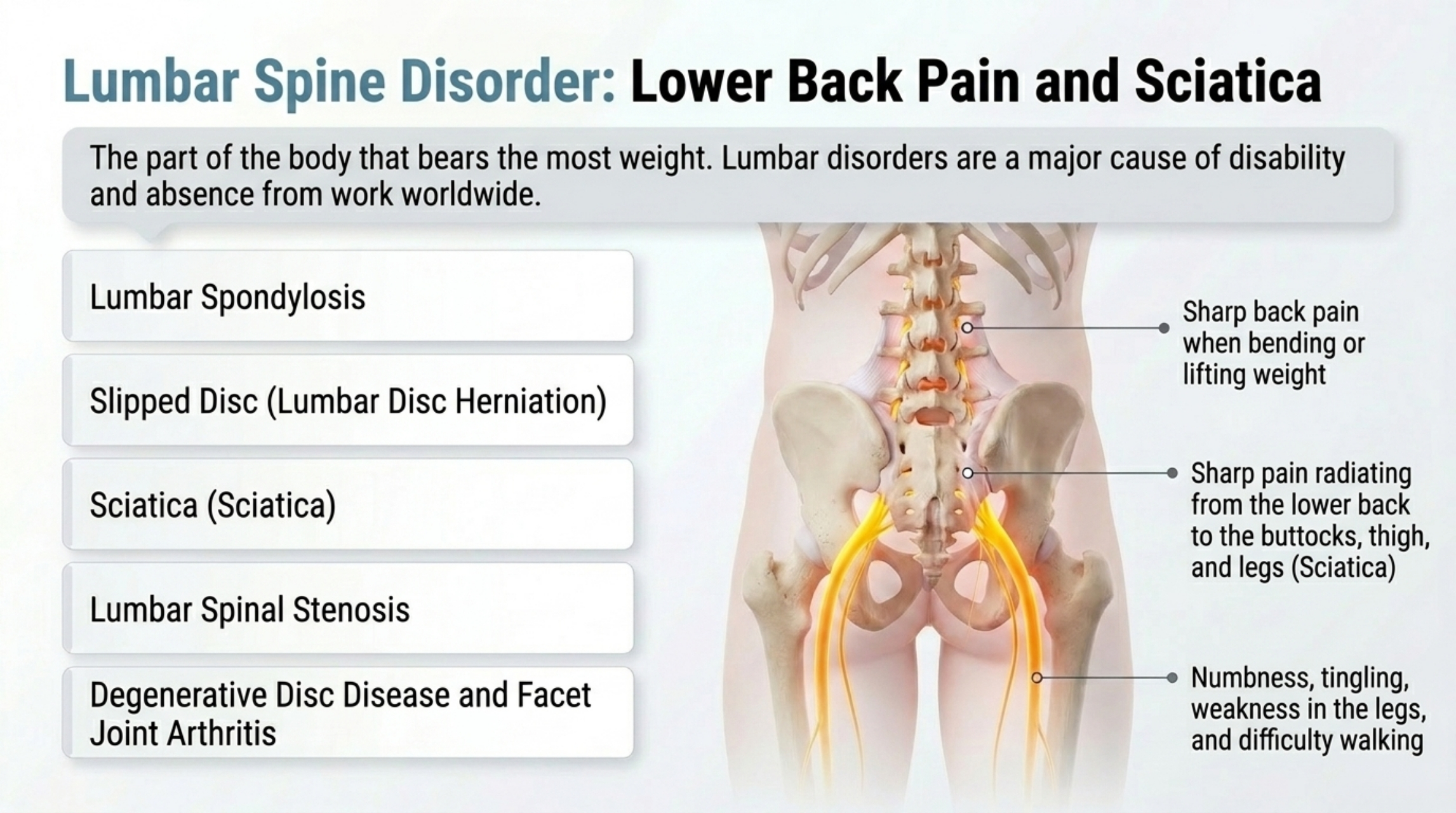
The lumbar spine bears the majority of body weight and is the most commonly affected region of the spine.

Lower back disorders are one of the leading causes of disability and work absenteeism worldwide.

Common Lumbar Spine Conditions
Lumbar Spondylosis

Degeneration of lumbar vertebrae and joints resulting in chronic lower back pain.

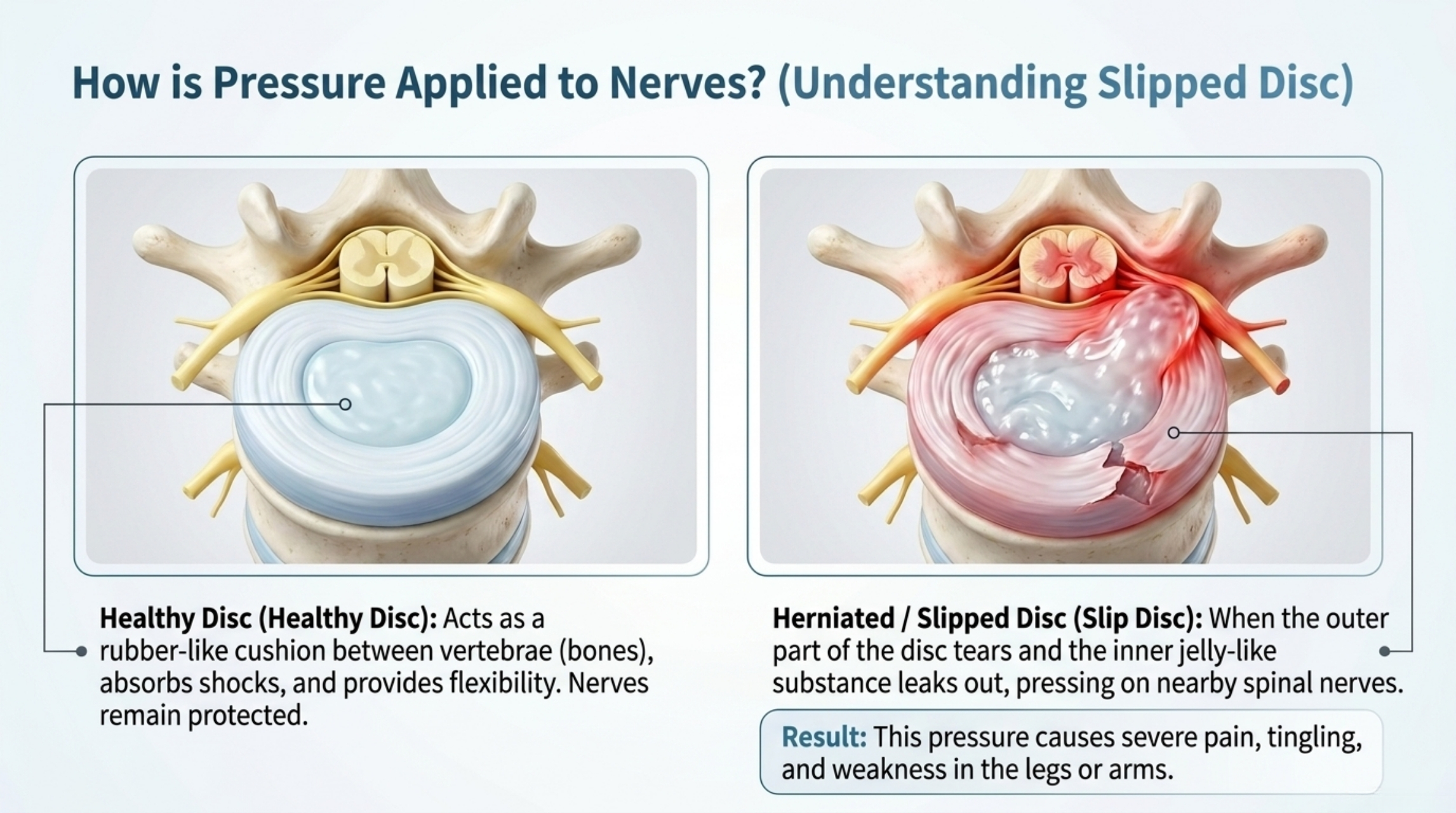
Slip Disc (Lumbar Disc Herniation)

A protruding disc compresses nearby nerves and causes back pain and leg symptoms.

Sciatica

Pain radiating from the lower back to the buttock, thigh, and leg due to nerve compression.

Lumbar Spinal Stenosis

Narrowing of the spinal canal causing pain, numbness, and difficulty walking.

Degenerative Disc Disease

Age-related deterioration of spinal discs causing chronic pain and stiffness.

Facet Joint Arthritis

Arthritic changes affecting the joints of the lower spine.

Symptoms of Lumbar Spine Disorders
Lower back pain
Leg pain
Sciatica
Numbness
Tingling sensations
Muscle weakness
Difficulty standing or walking
Reduced flexibility
Pain while bending or lifting


Treatment Options
Medications Physiotherapy
Core strengthening exercises
Lifestyle modification
Weight management
Rehabilitation programs
Endoscopic spine surgery
Minimally invasive spine procedures
Advanced Diagnostic Evaluation

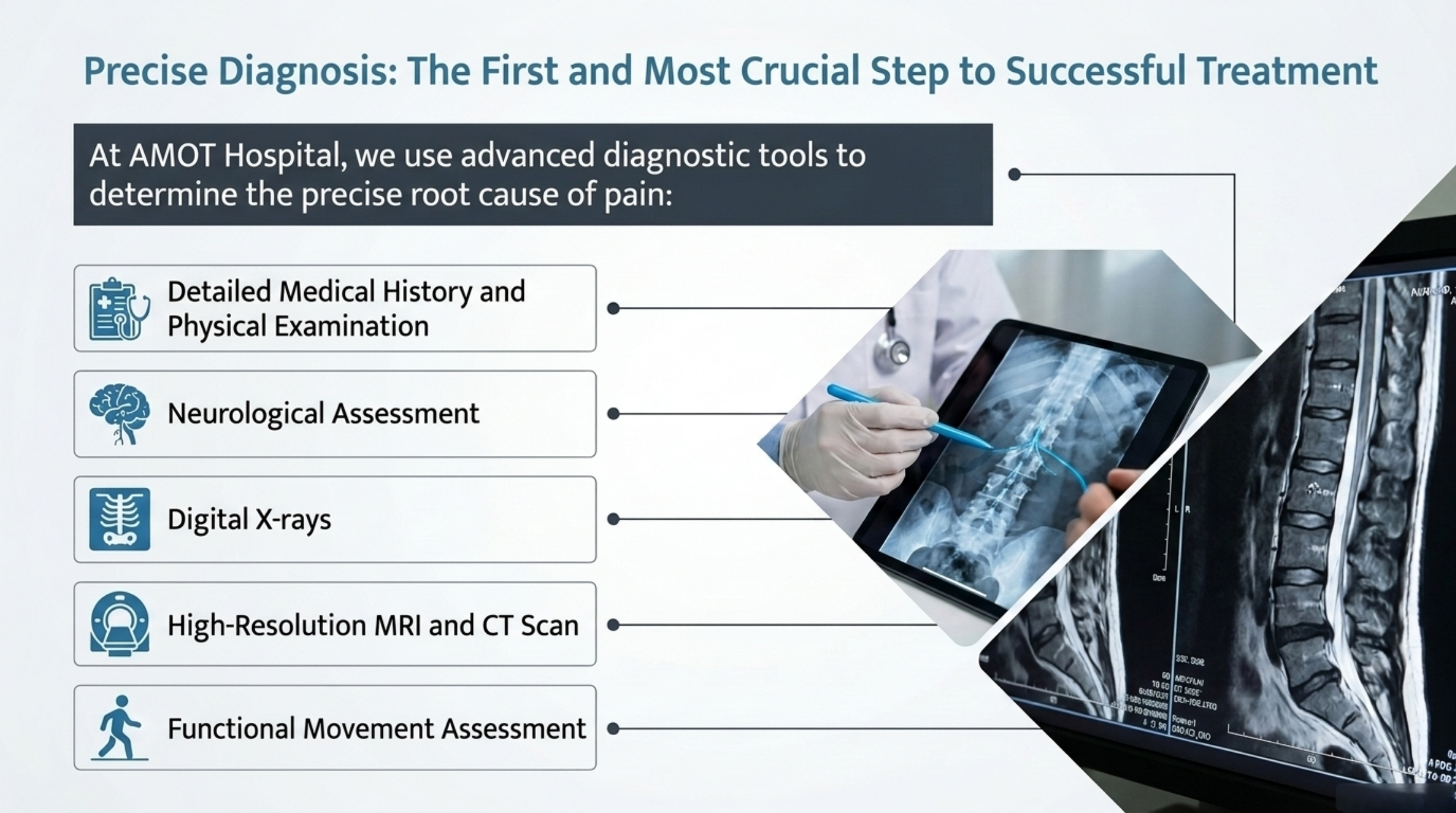
Successful treatment begins with an accurate diagnosis.

At AMOT Hospital, evaluation may include:

Detailed medical history
Physical examination
Neurological assessment
Digital X-rays
MRI scans
CT scans
Functional movement assessment

These investigations help identify the exact cause of pain and guide effective treatment planning.

Endoscopic Spine Surgery

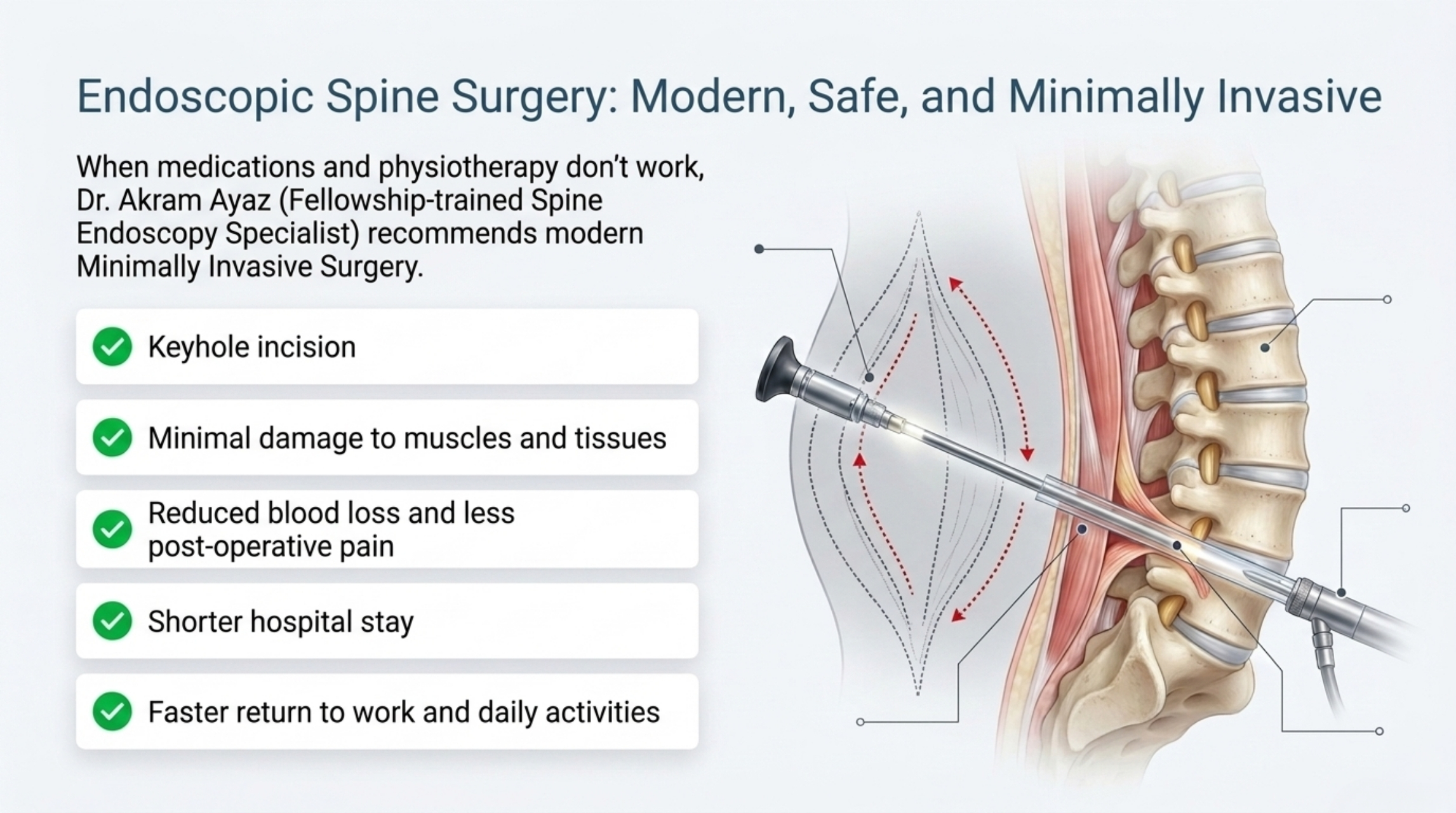
For patients with severe nerve compression, persistent pain, or failure of conservative treatment, advanced minimally invasive procedures may be recommended.

Dr. Akram Ayaz has specialized fellowship training in Spine Endoscopy and offers modern spine procedures designed to maximize outcomes while minimizing recovery time.

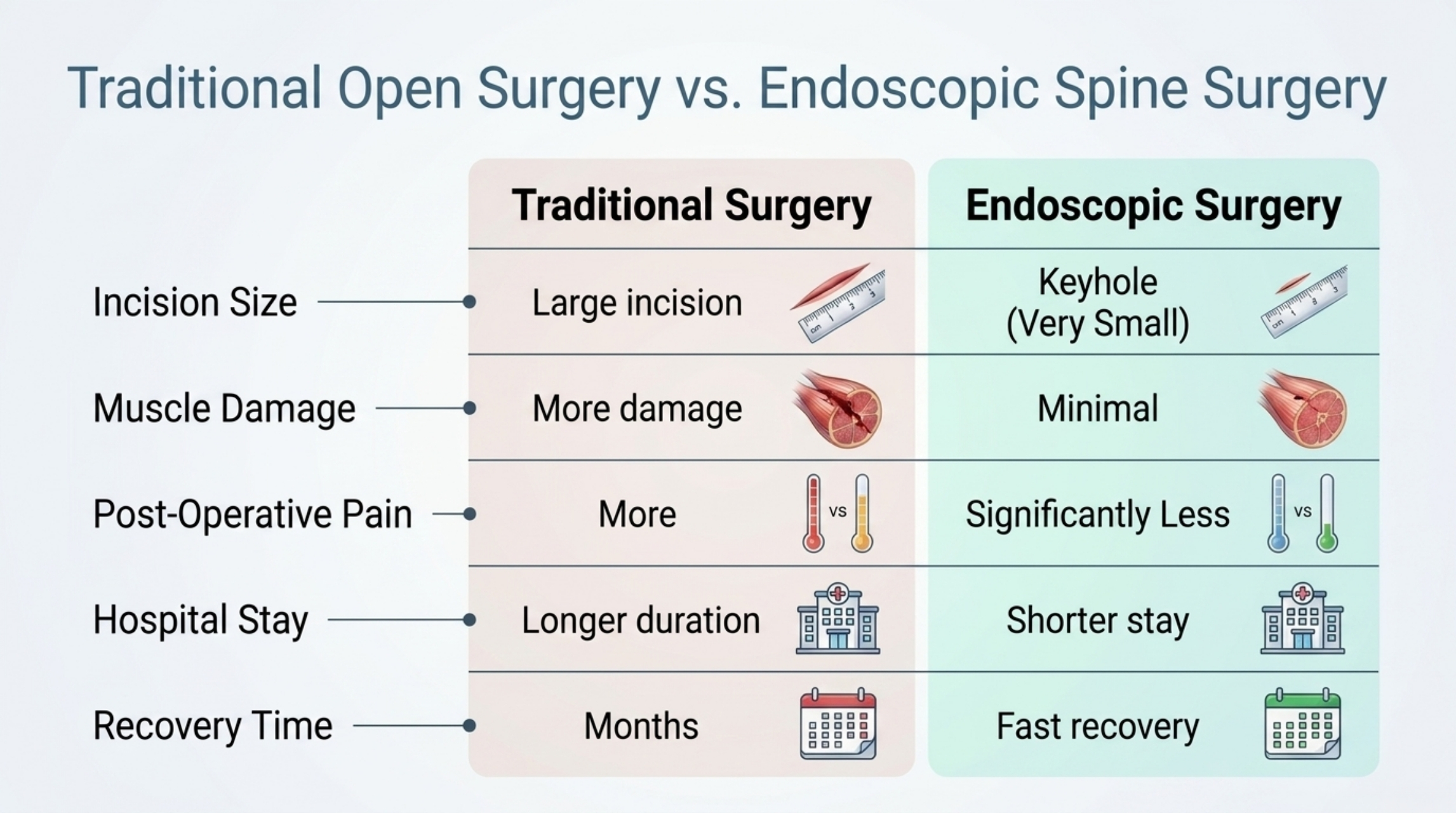
Benefits include:

Smaller incisions
Minimal tissue damage
Reduced blood loss
Less postoperative pain
Faster recovery
Shorter hospital stay
Early return to work and daily activities
Rehabilitation and Long-Term Spine Care

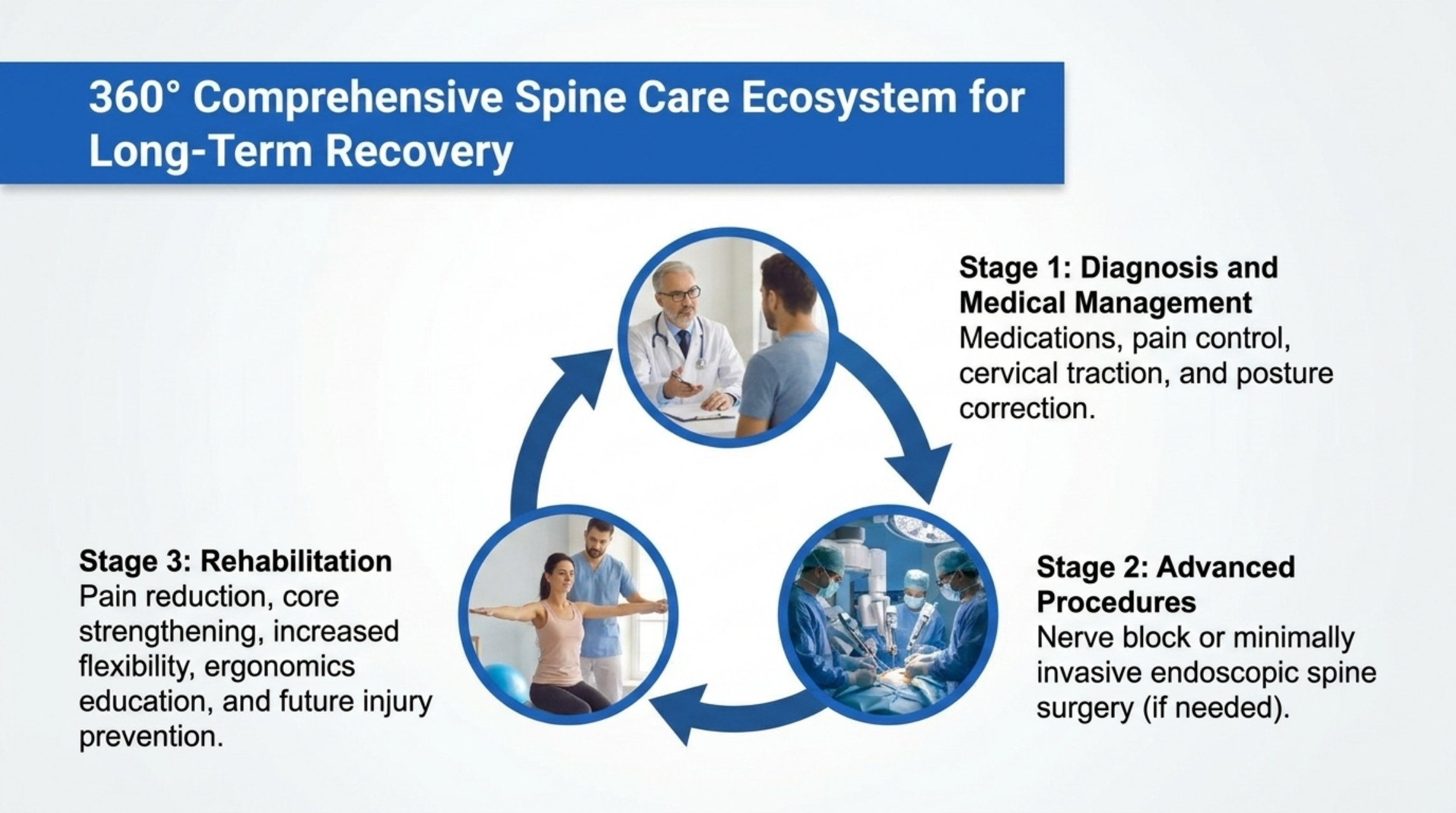
Long-term recovery requires a comprehensive rehabilitation approach.

Our rehabilitation programs focus on:

Pain reduction
Improved flexibility
Core strengthening
Posture correction
Functional recovery
Prevention of recurrence

Patients are educated about spine health, ergonomics, exercise, and lifestyle modifications to maintain long-term results.

Why Choose AMOT Hospital for Spine Disorders Treatment in Purnea?

Expert Spine Specialist

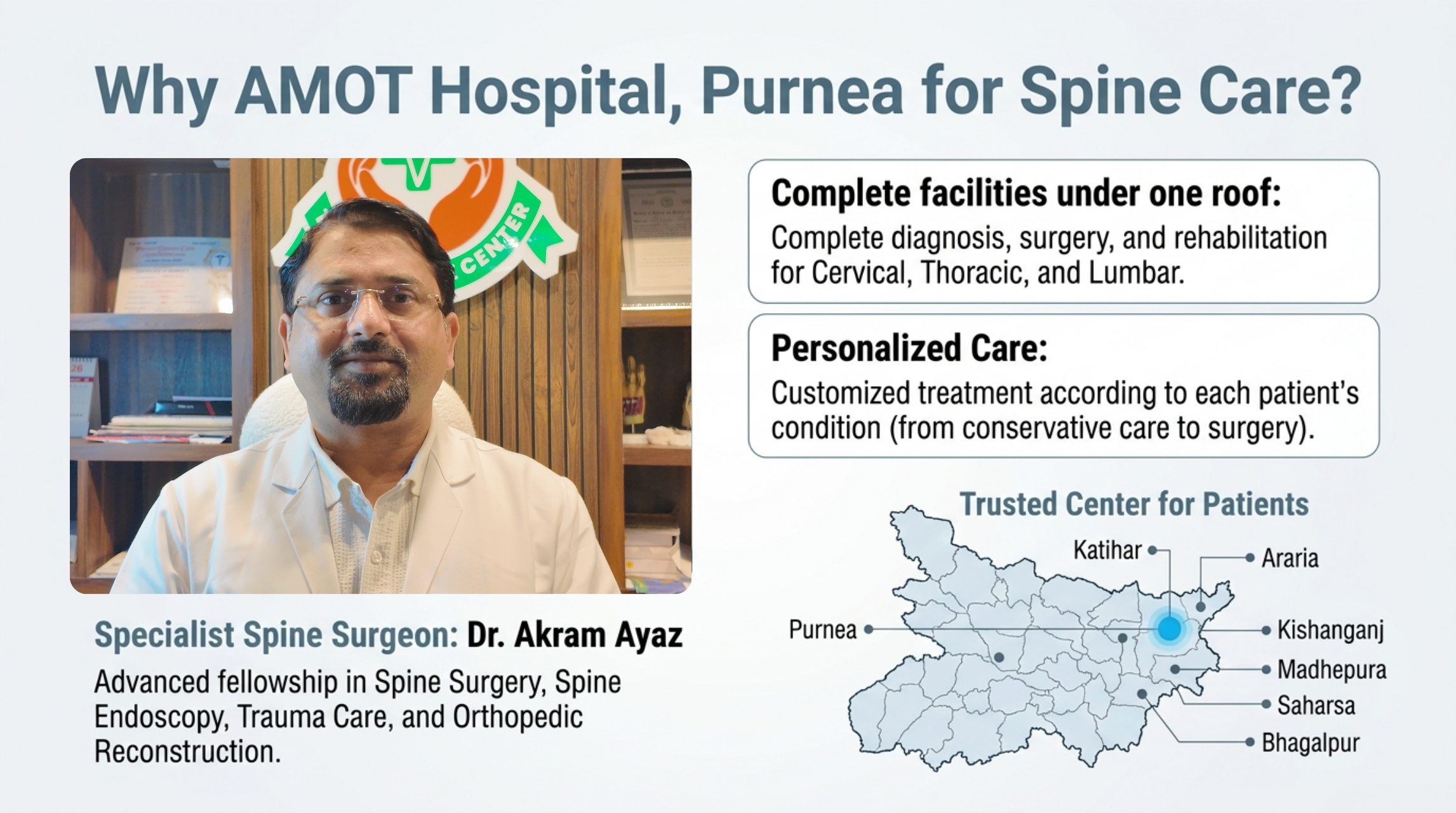
Dr. Akram Ayaz has advanced training in spine surgery, spine endoscopy, trauma care, and orthopaedic reconstruction.

Comprehensive Spine Care

We provide complete management of cervical, thoracic, and lumbar disorders under one roof.

Modern Treatment Techniques

From conservative care to minimally invasive spine surgery, treatment is customized according to each patient’s condition.

Personalized Treatment Plans

Every patient receives an individualized treatment strategy focused on long-term recovery and improved quality of life.

Trusted Spine Care Center in Bihar

Patients from Purnea, Katihar, Araria, Kishanganj, Madhepura, Saharsa, Supaul, Bhagalpur, and surrounding districts trust AMOT Hospital for advanced spine care.

When Should You Consult a Spine Specialist?

You should seek expert consultation if you experience:

Persistent neck pain
Chronic back pain
Sciatica
Numbness or tingling
Weakness in arms or legs
Difficulty walking
Reduced spinal mobility
Recurrent disc problems
Spine pain affecting daily activities

Early diagnosis and treatment can prevent progression and improve long-term outcomes.